


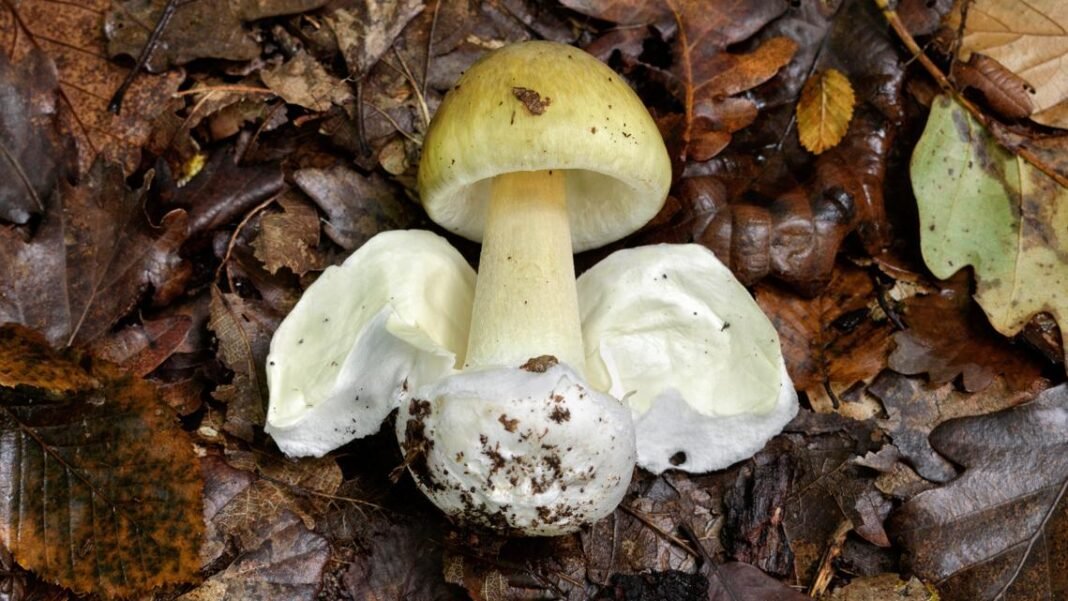
Health officials say 47 people have been poisoned by poisonous mushrooms since November, with deaths, liver transplants and hospitalizations reported across the state.
WASHINGTON — California health officials warn of unprecedented outbreak of deadly wild mushrooms Poisoned According to NBC News, this has become the largest known such incident in U.S. history report.
California Department of Public Health and California Poison Control System explain Since November 2025, 47 cases have been reported related to poisonous mushrooms containing amanitaxin. Four people have died, at least four others need liver transplants and 43 people have been hospitalized, according to NBC News and state health officials.

Officials said the poisonings far exceed the fewer than five cases of amanitaxin poisoning typically reported in California each year.
The outbreak is primarily linked to death cap mushrooms and western destroying angel mushrooms, which are highly toxic and may resemble edible mushrooms in different stages of growth. Health officials say recent spring rains and unusual environmental conditions may have caused the mushrooms to continue blooming later in the season than normal.
Cases have been reported in 12 California counties, from Humboldt to San Luis Obispo to Sacramento and Yuba counties. Officials say the mushrooms have been found in communities, parks, nature reserves and at least one national park.
According to the advisory, the ages of affected patients range from 19 months to 84 years. Officials said those affected speak multiple languages, including Spanish, Mandarin, Russian, Ukrainian and indigenous languages such as Mam and Mixteco, necessitating multilingual outreach.
Health officials urge people not to pick or eat wild mushrooms during this high-risk period.
“Once symptoms appear, treatment becomes more difficult,” the advisory said, warning people to seek medical attention immediately if they suspect they have been exposed to the virus.
Symptoms of amanitaxin poisoning may include severe gastrointestinal illness and liver damage. Officials say cooking, boiling or drying mushrooms does not remove the toxins.
The advisory also warns pet owners to keep animals away from wild mushrooms, as several dogs have died from amanitaxin poisoning during the outbreak.
Healthcare providers are urged to consider mushroom poisoning in patients with gastrointestinal symptoms or elevated liver enzymes and to ask them if they have recently consumed foraged mushrooms.
The outbreak continues, with state officials saying eight new cases have been reported in the past four weeks, including four last week alone.