


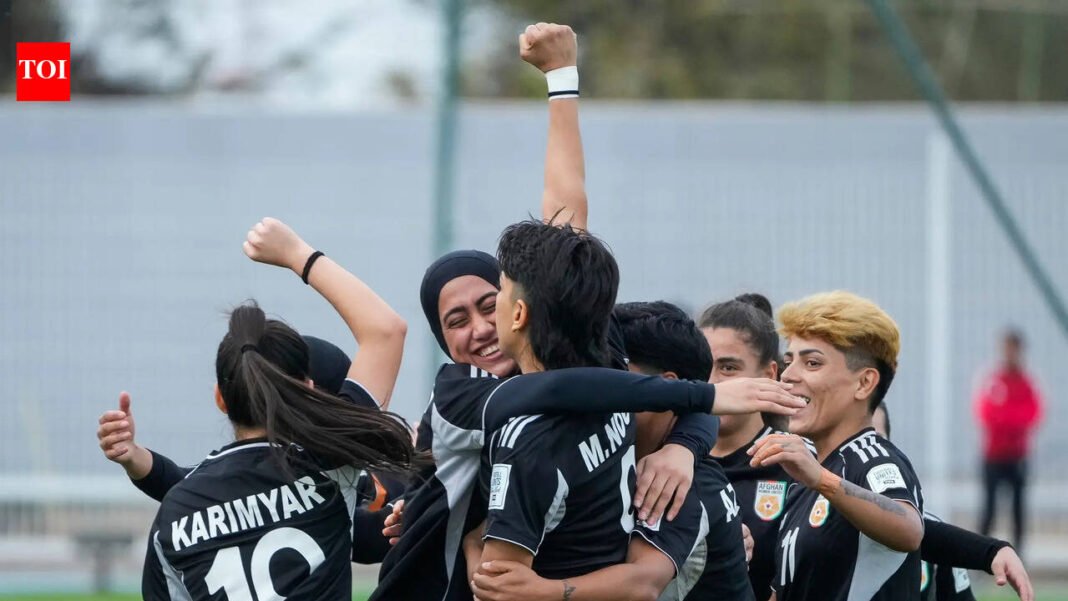

Afghanistan’s women’s national team, forced into exile after the Taliban returned to power in 2021, have been given a formal path back to international competition after the FIFA Council approved a major rule change. At a meeting in Vancouver, the FIFA Council agreed to change its rules to recognize a refugee team operating as the Afghan Women’s United and allow it to participate in official international competitions without the approval of the Taliban-controlled Afghan Football Association. The decision marks the first time that exiled players have been allowed to represent Afghanistan in FIFA-sanctioned competitions, although Afghan authorities continue to ban women’s sports.
National team displaced by political changes
The modern Afghan women’s national team was originally established in 2007 with the participation of former captain and activist Khalida Popal and the support of the Afghan National Olympic Committee. The team has been operating within the international football system for more than a decade, with its last official match being in 2018. This structure collapsed in 2021 when the Taliban regained control of Afghanistan and imposed sweeping restrictions on women and girls, including a ban on participation in sports. The women’s national team was effectively disbanded and many players fled the country fearing persecution. In the following months, FIFA assisted in the evacuation of more than 160 at-risk athletes, officials and human rights advocates related to football and basketball, dispersing players to Australia, Europe, the United States and parts of the Middle East.
Years of lobbying leads to regulatory shift
Players, activists and rights groups have been pressing FIFA for more than three years to formally recognize the exiled team, arguing that athletes should not lose their international careers because of restrictions imposed by a regime they no longer live with. This pressure led to the formation in 2021 of Afghanistan Women’s United, a team made up of refugee players.The initiative forms part of FIFA’s wider strategy to support women’s football in Afghanistan, combining diplomatic engagement, financial support and organized competition opportunities. The rule change builds on the FIFA Women’s Action Strategy for Afghanistan approved by the FIFA Council last May and follows the establishment of the Afghanistan Women’s Football Federation. The Afghan Women’s Football Federation is a FIFA-backed team that provides structured competition opportunities for Afghan women’s football players living abroad. The first step towards recognition came in October 2025, when the team participated in a tournament in Morocco along with Chad, Libya and Tunisia. The tournament itself has been moved from the United Arab Emirates as visa issues prevent teams from traveling, highlighting the logistical challenges players continue to face.
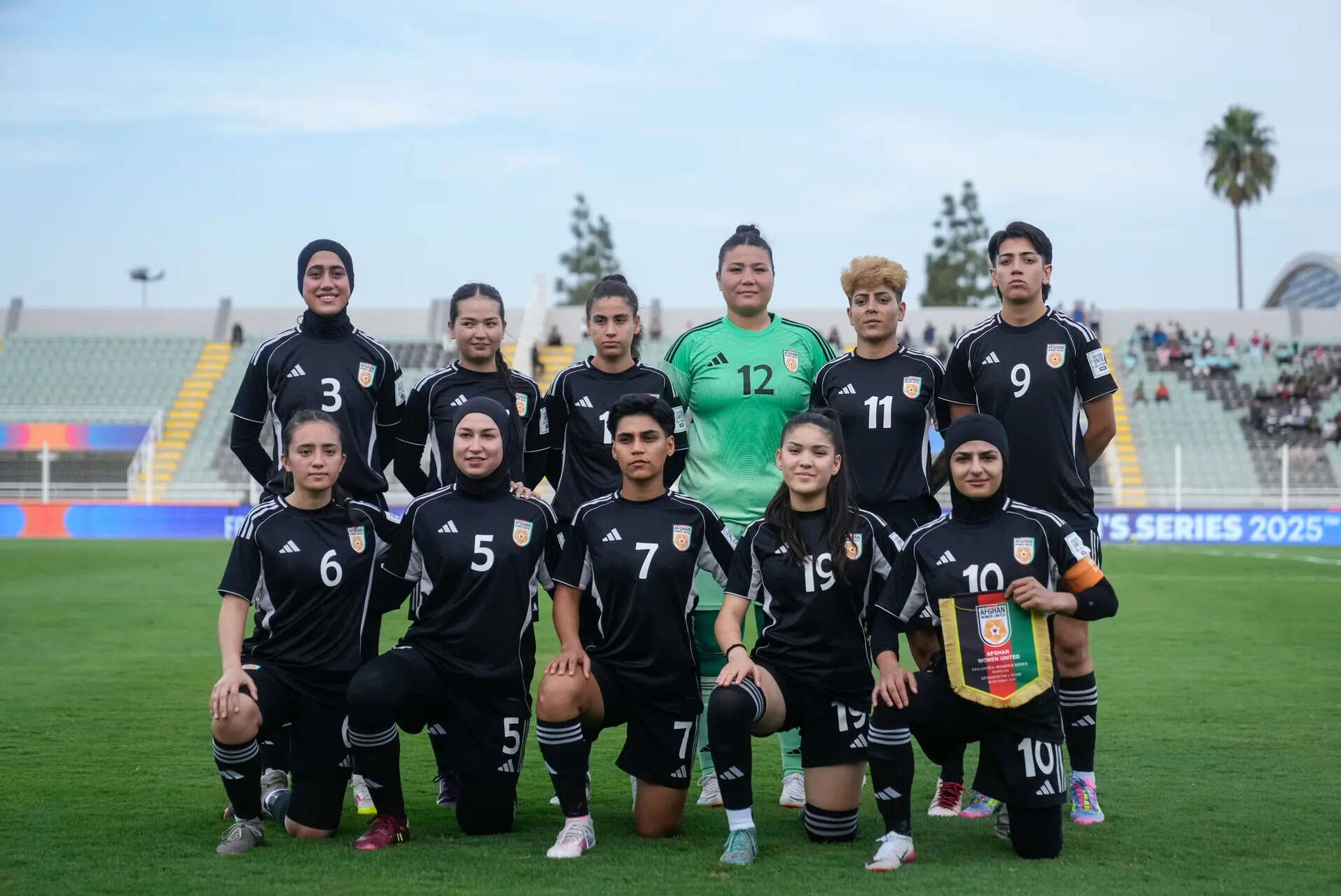
Members of Afghanistan’s women’s team pose for a photo before their match against Chad in Casablanca, Morocco, on Sunday, October 26, 2025, their first international match since fleeing their home country. (AP Photo/Mosa’ab Elshamy)
FIFA also organized selection camps in England and Australia as part of the ongoing effort to build a competitive squad, and provided individual support packages to nearly 90 players. The wider talent pool includes more than 80 footballers in exile across multiple continents.
What the rule change actually allows
Until now, FIFA stipulated that any national team must be officially recognized by its domestic football association. In the case of Afghanistan, that meant gaining approval from the football federation, which operates under Taliban authority and does not recognize women’s football. The rule change removes this requirement in certain circumstances, allowing refugee teams to compete independently if the national association is unable or unwilling to register a women’s team.
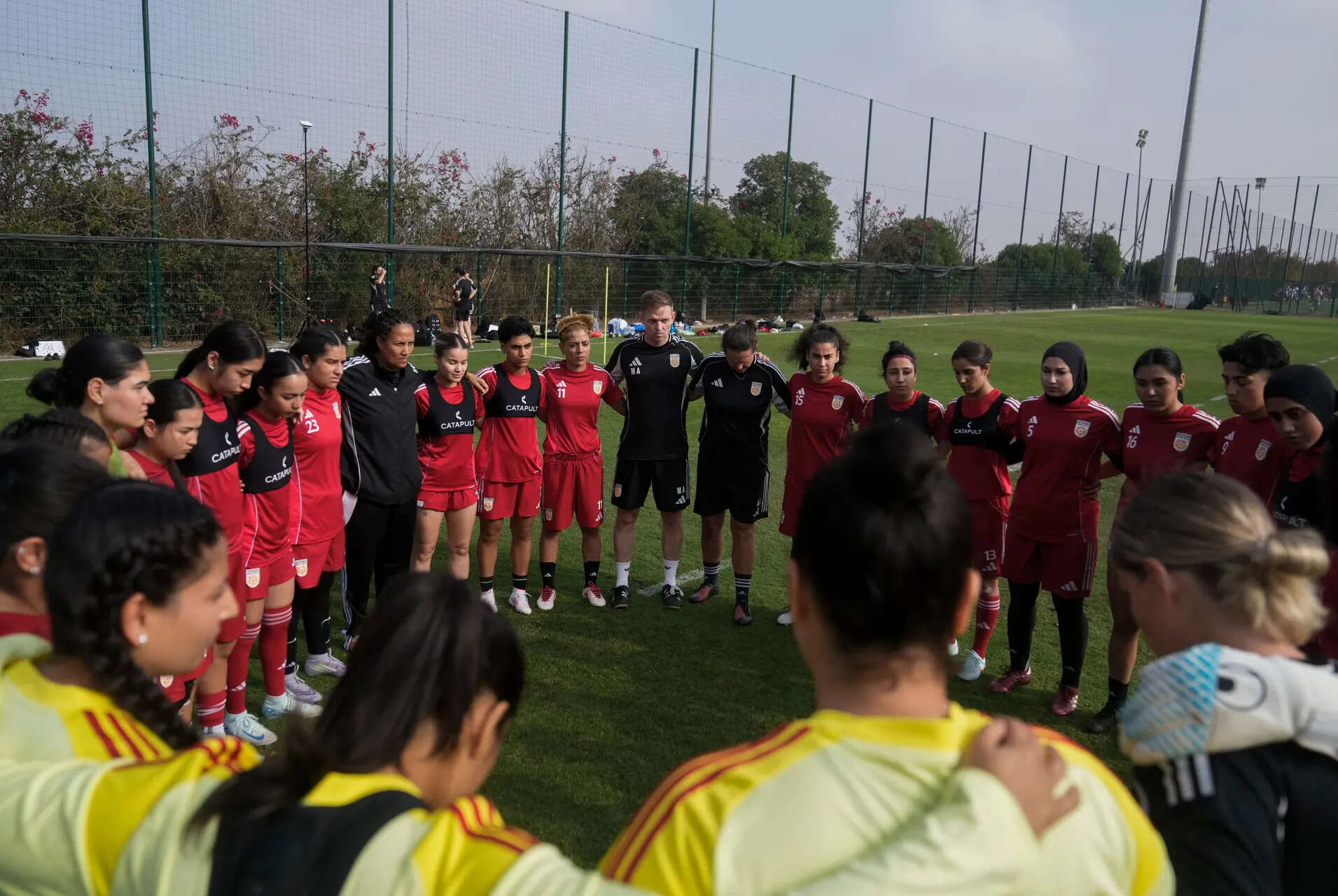
Members of the Afghanistan women’s team gather for a team talk during training ahead of their first international match since fleeing their home country, Saturday, Oct. 25, 2025, in Casablanca, Morocco. (AP Photo/Mosa’ab Elshamy)
As a result, the Afghan women’s football team can now participate in official competitions as the Afghan representative team without seeking approval from the country’s governing body. FIFA President Gianni Infantino said in a statement: “We are proud of the wonderful journey that the Afghan women’s football team has embarked on and through this initiative we aim to allow them, as well as other FIFA member associations who may not be able to register for a national team or represent a team in a FIFA competition, to take the next step in coordination with the relevant federations.“
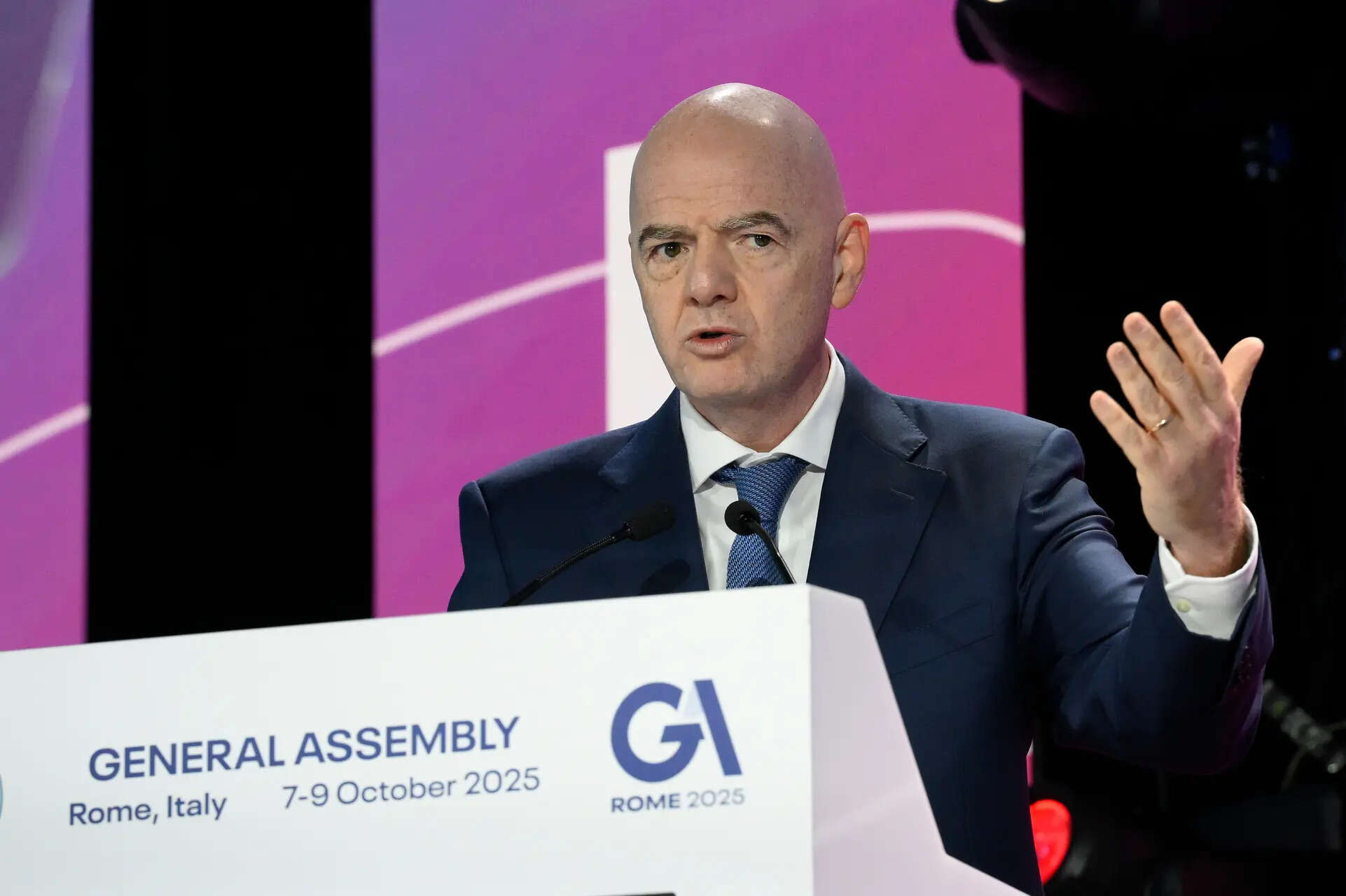
FIFA President Gianni Infantino speaks during the 32nd UEFA European Football Club Congress on Thursday, October 9, 2025 in Rome, Italy. (Fabrizio Corradetti/LaPresse via AP)
What’s next for the team?
The timing of the decision means the team will not qualify for the 2027 Women’s World Cup in Brazil as the process is already underway. However, this opens the door to qualifying for the 2028 Los Angeles Olympics. In the short term, Afghanistan’s women’s football team are expected to return to action during the June international window, but plans for exhibition matches against their opponents have yet to be confirmed. The squad is currently being finalized through an ongoing selection phase, drawn from players who continue to train and compete in various countries without a formal national structure.
A wider meaning beyond football
The decision reflects a shift in the way FIFA handles national representation in exceptional circumstances. By allowing a team to compete without sanction from its home federation, the organization is effectively acknowledging the political realities that may prevent athletes from competing through traditional structures. For the players themselves, the ruling is the result of years of continued advocacy and persistence. It restores pathways into international football that have been closed since 2021 and do not require compromise with a system that excludes them. More broadly, it sets a precedent for how governing bodies respond when athletes are displaced by conflict or political change, ensuring that participation at the international level is not entirely dependent on individual country circumstances. For the Afghan Women’s Federation, it means something more immediate, a chance to represent their country again, even outside its borders.