



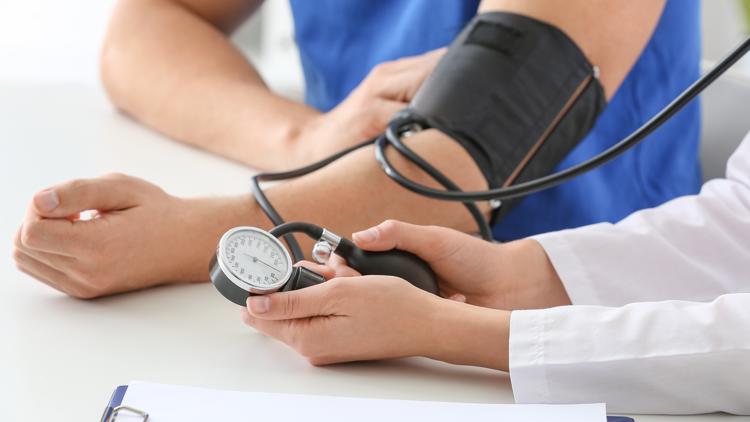
A French study shows that even natural preservatives can increase the risk of high blood pressure.
WASHINGTON — A new French study links a common preservative to cardiovascular problems.
The study was published Wednesday in the European Heart Journalfound that preservatives used to kill bacteria and mold in many store-bought foods are related to The risk of high blood pressure increases by 29%, and the risk of heart disease and stroke increases by 16%.
Researchers say even natural preservatives, such as vitamin C, have been shown to increase the risk of high blood pressure. A senior author of the study told CNN, Vitamin C that occurs naturally in foods such as fruits affects the body differently than artificial vitamin C used to preserve foods.
Preservatives are essential to prevent spoilage and keep food safe for long periods of time
The study investigated Effects of 58 preservatives on cardiovascular health in over 112,000 participants. Of the 17 common preservatives scrutinized in the study, eight were linked to increased blood pressure over a decade.
The eight substances include potassium sorbate, potassium metabisulfite, sodium nitrite, ascorbic acid, sodium ascorbate, sodium erythorbate, citric acid and rosemary extract.
The preservatives of greatest concern include sodium nitrite, commonly found in bacon, ham and deli meats; potassium sorbate, used in wine, baked goods and sauces; and potassium metabisulfite, found in fermented beverages such as wine, juice and cider.
According to CNNThe study also specifically linked ascorbic acid, or vitamin C, to cardiovascular disease.
The study’s authors noted that the results “need to be confirmed by other epidemiological studies,” and that experimental studies are needed to further understand the underlying mechanisms.
“If confirmed, these new data require a re-evaluation of regulations governing the use of these additives to improve consumer protection,” the study said.
The findings, published in the European Heart Journal, add a new dimension to researchers’ understanding of ultra-processed foods, which are associated with an approximately 50 percent higher risk of death from cardiovascular disease. Previous research by the same team found that similar preservatives significantly increase the risk of cancer and type 2 diabetes.
The practical takeaway is simple: choose fresh, minimally processed foods whenever possible. When convenience is important, frozen foods preserved by cryogenics (rather than chemical additives) are the better choice.
CNN Newsource and WKYC’s Monica Robins contributed to this report.