


Sajjad Ahmad Kichloo is a well-known political leader from the region of Kishtwar. He has played a significant role in the political landscape of Jammu and Kashmir, serving in various important positions over the years.
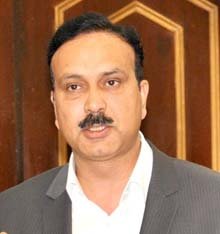
Early Life and Background
Sajjad Ahmad Kichloo was born on 20 June 1964 in Kishtwar. He belongs to a politically active family, as his father, Bashir Ahmad Kichloo, was also associated with the Jammu & Kashmir National Conference. After the death of his father, Kichloo stepped into politics and continued the family’s political legacy.
He holds a diploma in Computer and Mechanical Engineering, which reflects his educational background before entering public life.
Political Career
Kichloo began his political journey in 1996 as the Tehsil President of the youth wing of the National Conference. His leadership abilities soon earned him the position of District President in Kishtwar in 1998.
He was first elected as a Member of the Legislative Assembly (MLA) from Kishtwar constituency in 2002. Due to his growing popularity and political influence, he was re-elected in 2008. During his tenure, he actively worked on regional development and governance issues.
In 2009, he was appointed as the Minister of State for Home Affairs in the government led by Omar Abdullah. His role in the Home Department placed him at the center of administrative and security matters in the state.
Later, he served as a Member of the Legislative Council (MLC) in 2015, continuing to represent the interests of Kishtwar district.
Achievements and Recognition
In recognition of his legislative work, Sajjad Ahmad Kichloo was awarded the Best Legislator Award by the Jammu and Kashmir Legislative Council in 2017. This honor highlighted his contribution to governance and policymaking in the region.
Controversies
Like many political figures, Kichloo’s career has also seen controversies. In 2013, he faced allegations of assaulting an official during preparations for a visit by the Chief Minister. The incident attracted media attention and public debate.
He also resigned from his position as Minister of State for Home Affairs in August 2013 following allegations related to the 2013 Kishtwar clashes. The clashes led to significant loss of life and property.
However, after an inquiry conducted by the Justice R.C. Gandhi Commission, he was cleared of any wrongdoing and was not found guilty of partisan conduct during the incident.
Conclusion
Sajjad Ahmad Kichloo remains an influential political leader in Jammu and Kashmir. His journey reflects a mix of leadership, public service, and challenges. Despite controversies, his contributions to the political framework of the region and his continued involvement in public affairs make him a notable figure in the state’s political history.