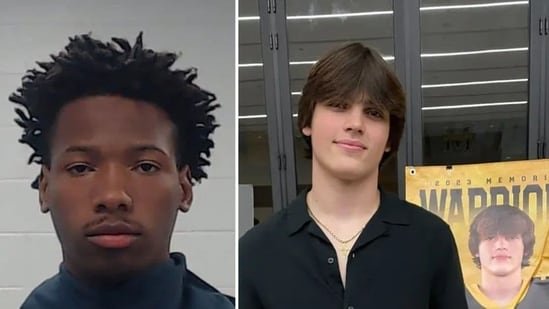


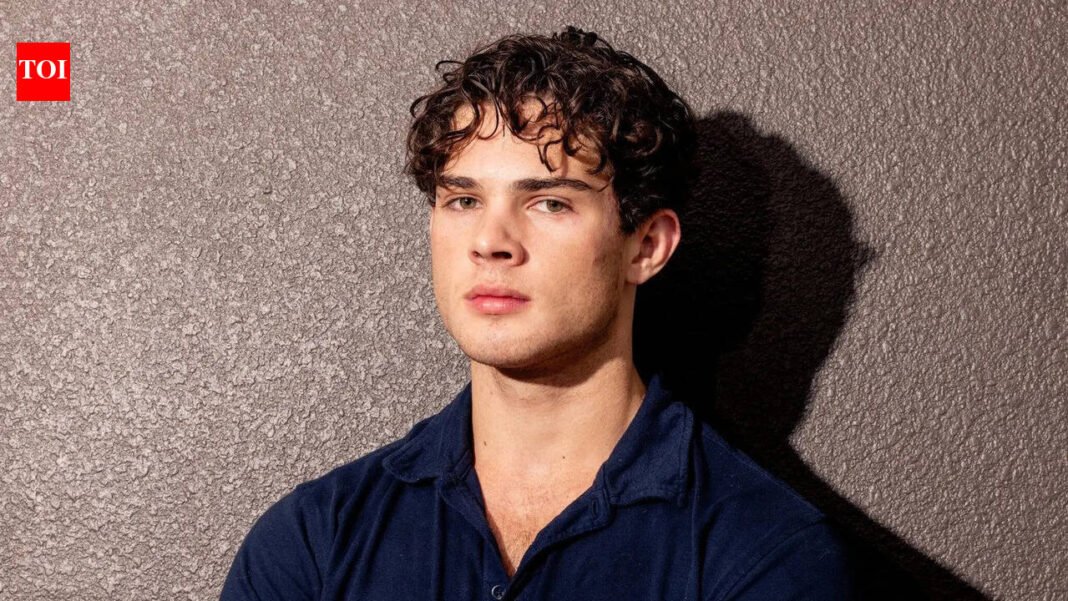

Social media celebrity Collarbone has sparked a heated debate online after she publicly revealed plans for another major cosmetic surgery. This time, the influencer confirmed that he plans to undergo a bimaxillary osteotomy, commonly known as jaw surgery, a complex facial surgery often associated with medical corrections and cosmetic enhancements.The discussion erupted on X after a clip from a podcast interview began circulating online. Many viewers were shocked not only by the cost and recovery process, but also that the surgery was casually discussed as a way to boost appearance ratings and social media influence.
Collarbone explains why he wanted bimaxillary osteotomy surgery
In the interview, Collarbone explained in detail the surgical procedure and the physics involved. He said:“They basically make an incision in the lower jaw and then move it forward and install screws, and the same goes for the upper jaw. It’s like a, called Laforte osteotomy. They cut along your front nasal spine and then push your chin forward. ““From what I’ve heard, that’s generally what people get out of BIMAX,” he added. When asked “How much does it cost?” he responded: “35,000. I would say the first three weeks were pretty brutal.”“After that, you have residual swelling that goes down in about three to six months. Did anyone try to talk you out of it? Yeah, almost everyone, like parents and stuff like that. Just police officers, regular people.The only thing I see objectively about you is that if you had the surgery, your views would go through the roof because people would want to tune in to see, okay, what happened? This way you can make your money back. So it will be a free surgery. Yes, no.The disadvantage is that if the surgery goes wrong, in this case your view will be twice as high as it would otherwise be. But it’s more than just a shock factor. Yeah, no, I totally understand that point of view.Often when people try to talk me out of surgery, they usually have never heard of it before. So I did a lot of research on that. I wouldn’t choose this just to get attention and get views.Just like there’s no way I could permanently disfigure myself from it. I decided to have jaw surgery for reasons other than social media. Like I didn’t start using social media until a few months ago. Therefore, I had already made up my mind to take this action long before this. “
plastic surgery culture Continuous development online
The viral discussion reflects a broader shift taking place online, especially among young creators, who are publicly documenting plastic surgery procedures that were once considered private. Rhinoplasty and Botox conversations have become normalized in the influencer space. However, many viewers still feel extreme due to the invasiveness and long recovery time of jaw surgery.At issue is the growing obsession with optimizing the appearance of social media. Supporters praise Clavicle for its transparency into the process. Critics argue that publicly linking beauty “ratings” to procedures could encourage unhealthy comparisons among younger viewers.Even so, the discussion has clearly touched upon something larger than the creator’s personal decisions. It exposes how internet culture increasingly treats appearance as identity and currency. In the attention economy, transformation often becomes content before healing begins.