


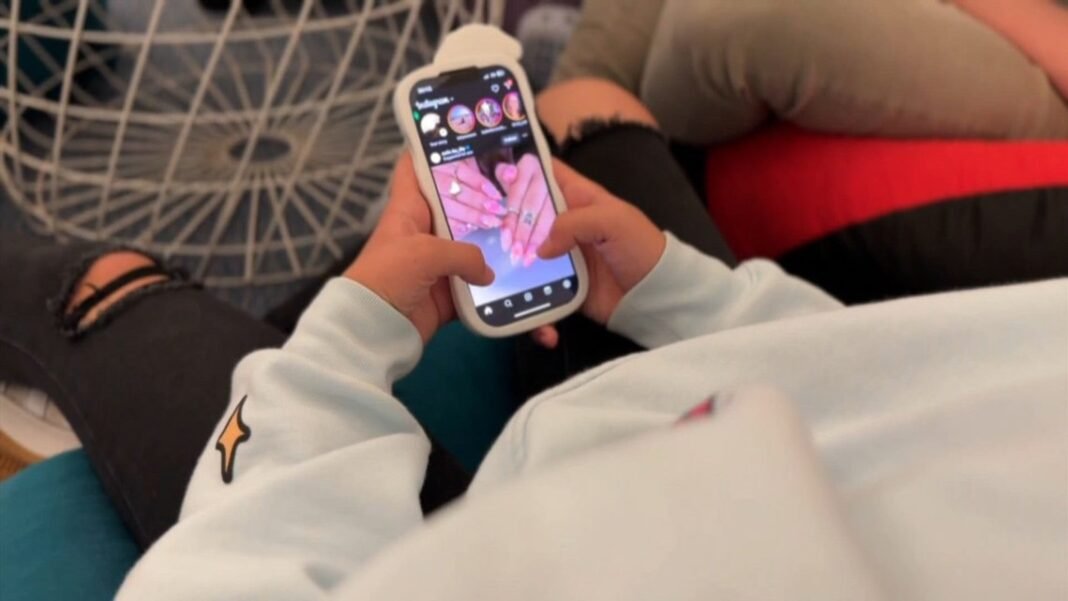
A pediatrician says false health information online is making his job harder and putting young people at real risk.
CLEVELAND — Browse social media for a few minutes and you’re bound to find someone offering health advice. Some of them are helpful. Many are not. One doctor who treats teenagers and young adults says the consequences of this misinformation show up in his exam rooms every day.
according to Scott E. Hadland, MD, MPH, MS, Chief of the Division of Adolescent and Adolescent Medicine at the Massachusetts Brigham Children’s Hospital and Associate Professor of Pediatrics at Harvard Medical SchoolAbout one in five teens regularly turn to social media for health information, with TikTok leading the way. He noted that the algorithm cannot differentiate between accurate content and harmful content. It rewards emotion and engagement, not accuracy.
How to spot bad sources
Hadland said there are clear patterns that suggest health content is unreliable, and parents can teach their children to recognize it.
Credentials are the first thing to check. Titles such as “health coach,” “hormone expert,” and “gut health expert” are not regulated, meaning anyone can use them. Legitimate clinicians typically list licenses: MD, DO, NP, RN, or RD.
Next, pay attention to the personal stories presented as evidence. One person’s experience is not a study and it cannot tell you whether something is safe or effective for your child.
Then there’s the language itself.
“I’m telling you, most health problems require more than a simple tip, and trust me, doctors want you to know everything there is to know about your health, and in fact, that’s what we do most of the time is help families better understand their health by having deep and rich conversations,” Hadland said.
Other red flags include hidden sponsorships through affiliate links or ad tags, content designed to induce fear or anger, and promises of quick fixes for complex conditions like acne, anxiety, or weight issues.
A three-step check worth teaching
Hadland recommends giving teens a simple framework to evaluate what they see online.
First: Who is this person and what are his actual qualifications?
Second: What is the source? Are they citing a study or clinical guideline, or just personal opinion?
Third: If you believe this, who benefits? Supplements, coaching programs, and apps are often the real products behind the advice.
Artificial intelligence makes things more difficult
Dr Hadland warned that the rise of AI-generated health content will make the situation worse.
“I think these issues become more severe when we have AI influencers sharing this information; often the intent is to make money for the person behind the AI influencer, or in some cases, it can actually be malicious.”
What parents can do
An outright ban on social media may not be the answer. Dr. Hadland said this approach could actually be counterproductive, prompting teens to consume content more covertly and removing parents from the conversation altogether.
His advice is to roll with your kids sometimes. As you scroll, ask them what they think of the video and then share your own reaction. Make sure they know they can bring health questions to their pediatrician without judgment, especially about anxiety, diet, sleep, and the body, which is where most of the content is directed at them.
Hadland said: “It’s actually a good idea for parents to engage with young people and ask young people what they’re seeing online, what influencers are they following? Why are they following them? What information are they learning from them and being really curious about that, because that curiosity will help parents drive conversations that they can have in which they highlight what young people are watching that might be false or misleading.”
When misinformation causes real harm
Hadland said he often sees young patients whose health problems can be directly traced to things they encountered online.
“One of the things I see a lot is that more and more young people are suffering from eating disorders and they are worried about their bodies and the appearance of their bodies because of content they see online that makes them feel uncomfortable about their bodies, or that may be giving them advice on how to lose weight or take supplements that may be dangerous,” he said.
He said it’s actually a good sign when young people ask their doctors these questions. It opens the door to honest, informed conversations—which is where trustworthy health guidance comes from.
Want to know more about Monica’s story? Click here