


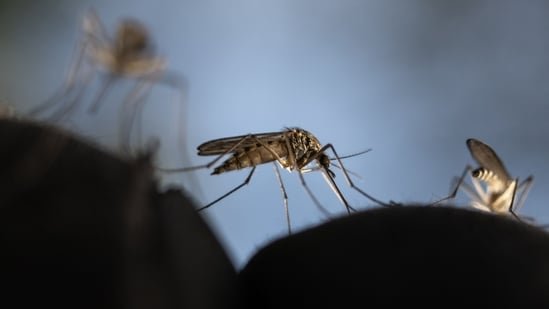
Google is seeking authorization from U.S. regulators for a unique public health initiative that could involve releasing up to 32 million bacteria-infected mosquitoes in certain areas of the country. california and Florida.

The initiative aims to reduce the number of disease-carrying mosquitoes by introducing specially treated insects that can interfere with reproduction and reduce the spread of mosquito-borne diseases, Yahoo reports.
Implementation of the plan does not happen immediately. Instead, the mosquitoes will be released gradually over two years into target locations known for high mosquito activity and disease transmission.
How mosquitoes work
this mosquito Help reduce the number of insects that can spread dangerous diseases by being exposed to bacteria that impairs their ability to reproduce.
By disrupting breeding patterns, scientists aim to gradually reduce mosquito populations and reduce the likelihood of disease outbreaks in specific communities.
Awaiting approval
The authority is expected to evaluate safety data, environmental impact assessments and monitoring plans before determining whether the benefits of the scheme outweigh any possible ecological risks.
If approved, Google The results will be closely observed, data will be collected over the two-year trial period, and its methods will be modified based on the results.
The proposal is part of a wider initiative to research innovative ways to control mosquito-borne diseases, rather than relying solely on traditional insecticides.
An experimental study published in the Journal of Experimental Biology shows that mosquitoes can learn to associate the smell of common repellents with food rewards, potentially leading to a decrease in deterrent effectiveness over time.
During the study, the researchers repeatedly exposed mosquitoes to the scent of a widely used repellent. Gradually, the insects seemed to adapt to the smell, and after training, even showed a preference for biting individuals exposed to the smell.
The results suggest mosquitoes are not repelled by the toxicity of the chemicals themselves, lead author Claudio Lazzari told AFP. Instead, he noted, their responses are affected by the way they “interpret these chemical messages,” which highlights the complex ways in which insects adapt to environmental signals.


