


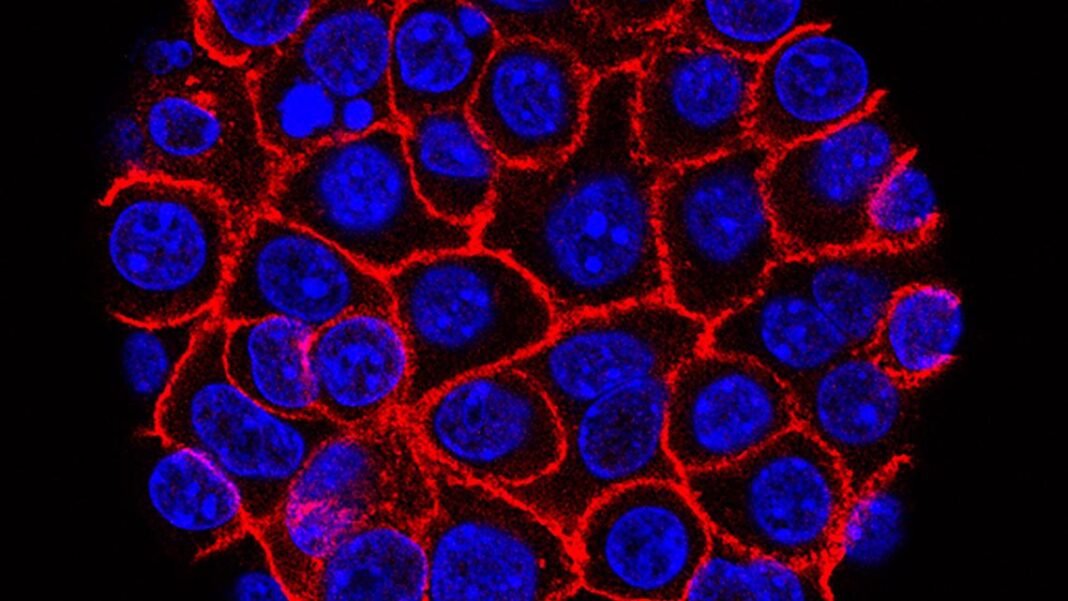
Researchers say the drug, daraxonrasib, works by blocking a mutated protein that drives tumor growth in more than 90 percent of pancreatic cancer cases.
WASHINGTON — A new drug can help patients with advanced pancreatic cancer live longer, researchers reported Sunday, raising hopes for better treatments long needed for one of the deadliest cancers. cancer.
“While it’s not a cure for cancer, it’s a big step forward,” said Dr. Zev Wainberg of UCLA, who helped lead the study.
The drug, daraxonrasib, blocks a mutated protein that drives tumor growth in more than 90 percent of pancreatic cancer cases, a target that has eluded treatment for decades.
In one study that randomly assigned an experimental drug or more chemotherapy to 500 patients whose metastatic or spreading cancer had stopped responding to previous treatments, the daily drug nearly doubled survival time and had fewer serious side effects. The findings were published in the New England Journal of Medicine and presented Sunday at the American Society of Clinical Oncology meeting in Chicago.
Median survival for patients taking daraxonrasib was 13.2 months, compared with 6.7 months for chemotherapy recipients. While this may seem like a small improvement, Weinberg said it marks the first drug to show a significant advantage over chemotherapy.
“I’ve been treating pancreatic cancer for 16 years, and when I first saw the results, I actually started crying,” Dr. Rachna Shroff of the University of Arizona Cancer Center, who was not involved in the study, told the ASCO meeting. He was not involved in the study. She is struck by how “patients persist with this treatment because it provides them with lasting and meaningful benefits.”
The pills’ effects eventually wore off, but recipients used them significantly longer than the control group received chemotherapy, experiencing less pain and improving their quality of life as their tumors shrank. After analyzing the data, many people were still using the drug, Weinberg said, meaning the survival gap may widen as researchers continue to track them.
Dr. Brian Wolpin of Dana-Farber Cancer Institute released the findings Sunday. The drug should become the “new standard of care” for previously treated metastatic pancreatic cancer, he said, adding that researchers will also explore its use earlier in the disease, including to see if tumor shrinkage could make more patients eligible for surgery.
The side effects most likely to affect use of the drug are severe rashes and mouth sores, he said.
Maker Revolution Medicines funded the study, and the U.S. Food and Drug Administration plans to expedite review of the drug. At the same time, the agency is allowing “expanded access” to experimental drugs to patients who meet certain criteria. When the drug attracts public attention Former U.S. Senator Ben Sasse He described on “60 Minutes” how his pain was relieved while taking the medication. With the launch of the special access program, oncologists have been flooded with requests.
Pancreatic cancer is one of them deadliest form Largely because it’s difficult to detect until it starts spreading to other organs. The American Cancer Society estimates that about 67,000 new cases will be diagnosed in the United States this year and more than 52,000 people will die from the disease. The five-year overall survival rate is 13%.
Unlike other cancers that benefit from multiple chemotherapy options, pancreatic cancer is more difficult to treat.
Cancer experts not involved in the new study are optimistic that it could be a turning point in the search for new options, with dozens of experimental drugs currently in development.
The new drug targets mutations in the RAS family of genes that normally regulate cell growth. So-called KRAS mutations are particularly important in causing pancreatic cancer. But this structure makes it difficult for drugs to stick to the mutated protein, meaning this cancer driver was long considered “undruggable.”
Revolution Medicines’ drug essentially uses a molecular glue to bind to multiple KRAS subtypes. Weinberg said the researchers will next explore whether the drug is more effective against certain subtypes.
Dr. Andrew Koveller of the Fred Hutchinson Cancer Center, who was not involved in the study, said the drug will change the treatment of pancreatic cancer.
“This thing works very differently,” he said.
Other drugs in development target specific KRAS subtypes, Wainberg said. Other approaches in early testing include a vaccine that prevents pancreatic cancer from coming back after surgery by teaching the immune system to recognize mutant proteins.
The Associated Press Health & Science Department receives support from the Howard Hughes Medical Institute’s Department of Science Education and the Robert Wood Johnson Foundation. The Associated Press is solely responsible for all content.
Copyright 2025 The Associated Press. all rights reserved. This material may not be published, broadcast, rewritten or redistributed.