


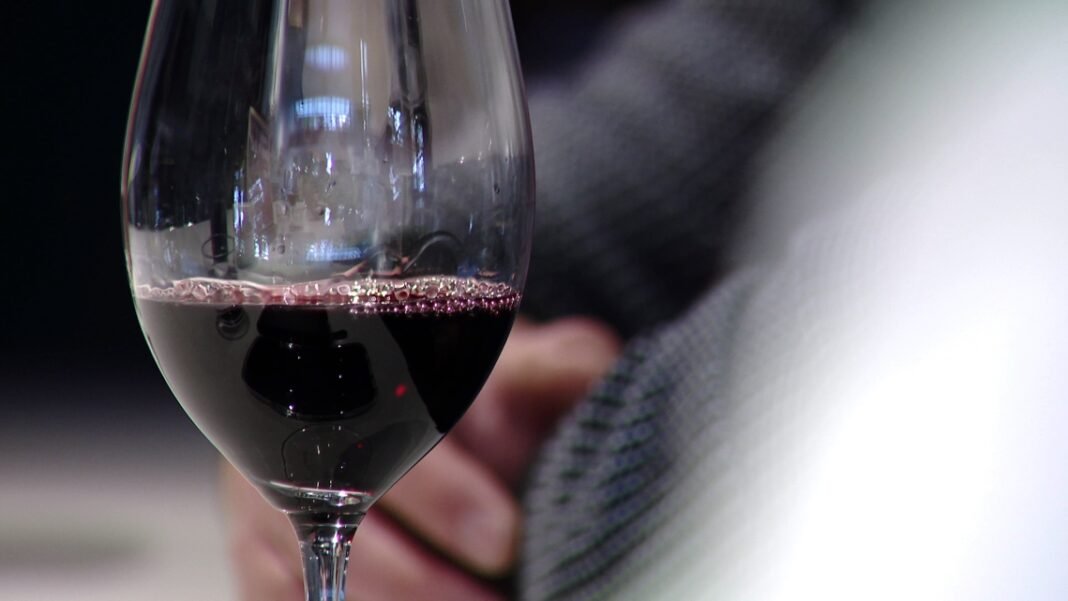
Washington state’s wine grape production will plummet 28% in 2025, forcing wineries to redesign how to attract and retain customers.
YAKIMA COUNTY, Wash. — Washington state’s wine industry is facing its toughest year on record, and producers across the state are continuing to find new ways to adapt.
“The industry faces very serious challenges, but I think we are resilient,” said Kristina Kelley, executive director of the Washington State Wine Commission.


Rising costs, shifting consumer habits and declining tourism in wine country all contributed to the downturn, Kelly said. In response, some producers are reducing production of certain varieties in favor of aromatic whites, rosés and chilled reds – wines increasingly popular with younger drinkers and health-conscious consumers watching their sugar intake.
“They are cutting back on production, but they may focus on other wines that they know may appeal to a different group of consumers,” Kelly said.
The Washington State Wine Commission’s annual grape production report shows that the 2025 wine grape harvest will be 108,000 tons, a 28% decrease from the previous year. The red variety was particularly hard hit, down 35%, while the white variety fell 20%. Although the state’s top variety, Cabernet Sauvignon, remains at the top of the list, production fell by 41% to 24,063 tons. Chardonnay production fell 17% to 17,911 tons.
Alex Evans, chief marketing officer of Browne Family Vineyards, said tasting rooms in wine country are feeling more pressure than those in the city.
“Because of the overall decline in tourism, we’re seeing a greater impact on tasting rooms in wine country,” she said.
Browne’s Pioneer Square location responded with new collaborations, including a unique partnership with Salt & Straw to pair wine with ice cream floats, and a collaboration with local glassware company Glassybaby. Some wineries are also launching low- and no-alcohol options to broaden their appeal.
Kelly said consumer support for family-owned wineries was crucial to the industry’s recovery.
“Our wines are local and we really need people to start asking for these products and buying these products because that’s going to turn around the situation we’re in,” she said.