



One phrase describing Trump’s foreign policy journey is particularly popular on social media: TACO, which stands for Trump’s Always Timid. That may be true abroad, whether against Iran or China, but at home he remains the ultimate boss. Iran can resist him. Gas prices would embarrass him. Opinion polls could hurt him. But Republican dissidents still found that opposition to Trump was less a political disagreement than a career-ending health condition.
Massey warning
Now the evidence is piling up. The most obvious example is Kentucky Republican Thomas Massie, who lost his primary to Trump-backed former Navy SEAL and farmer Ed Gallrein. Axios called Trump’s campaign to oust Massie a “huge victory” in a report and said the defeat “sends yet another warning to Republicans about the dangers of standing up to Trump.” The race attracted more than $32 million in ad spending, making it the most expensive House primary in history, according to AdImpact.Massie was not a moderate or a secret Democrat or Republican who just stumbled into the mix at a Lincoln Project tasting. He is one of the most conservative members of Congress. His crime was more serious, failing to pledge allegiance to Trump. Massie said the White House wants “100 percent compliance,” even though he voted for Trump “90 percent of the time.” In Trump’s Republican Party, 90% loyalty is not loyalty. This is treason with better attendance.
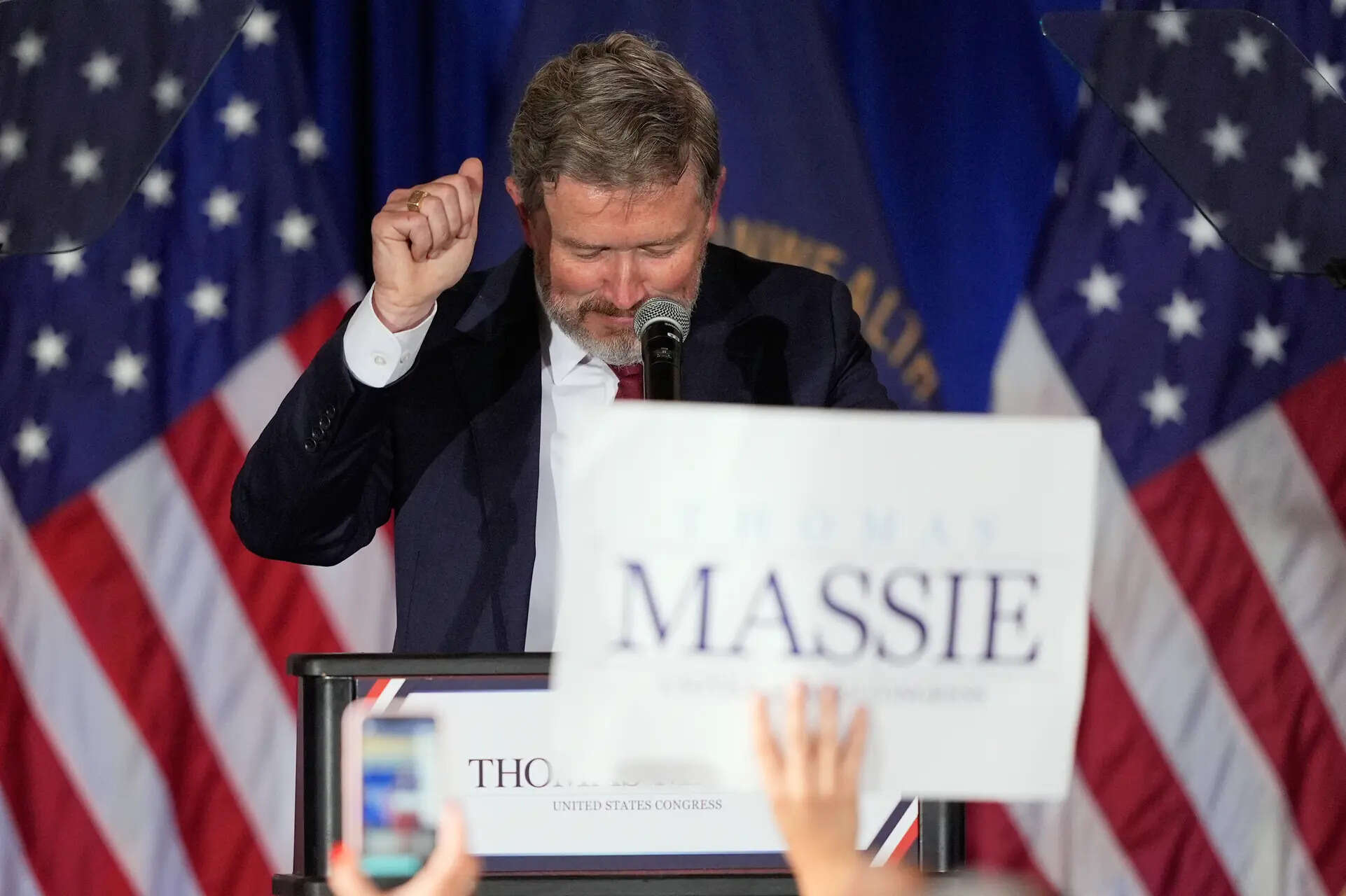
Rep. Thomas Massie, R-Ky., speaks at an election vigil party after losing the Republican nomination, Tuesday, May 19, 2026, at the Cincinnati Airport Marriott in Hebron, Ky. (AP Photo/Carolyn Kaster)
Trump spent months turning Massey into a cautionary tale. He called him an “idiot,” a “madman,” and a “big hooligan.” In an Oval Office video posted on the Truth social site, Trump said: “We are fighting the worst Congress in the history of our country.” In contrast, Gallain offered the only sentence currently required on the Republican test paper: “There has never been a more important time to support our president.“Marcy is not alone. Trump also helped defeat Louisiana Sen. Bill Cassidy, another major target after Cassidy failed to finish in the top two in the state’s Republican primary. Cassidy’s original crime was voting to convict Trump after January 6. Trump also retaliated against Indiana Republican lawmakers who blocked his push to redraw the state’s congressional maps. This is no longer just endorsement politics. This is party discipline that is publicly enforced.
A war voters don’t understand
This is why the Iranian story is so important. On the surface, Trump appears weak. Reuters/Ipsos found that his approval rating has dropped to 35%, near the lowest point in his second term. His approval rating among Republicans has dropped to 79% from 91% at the beginning of his term. The decline has been linked to the Iran war, soaring gas prices and anger over the cost of living.
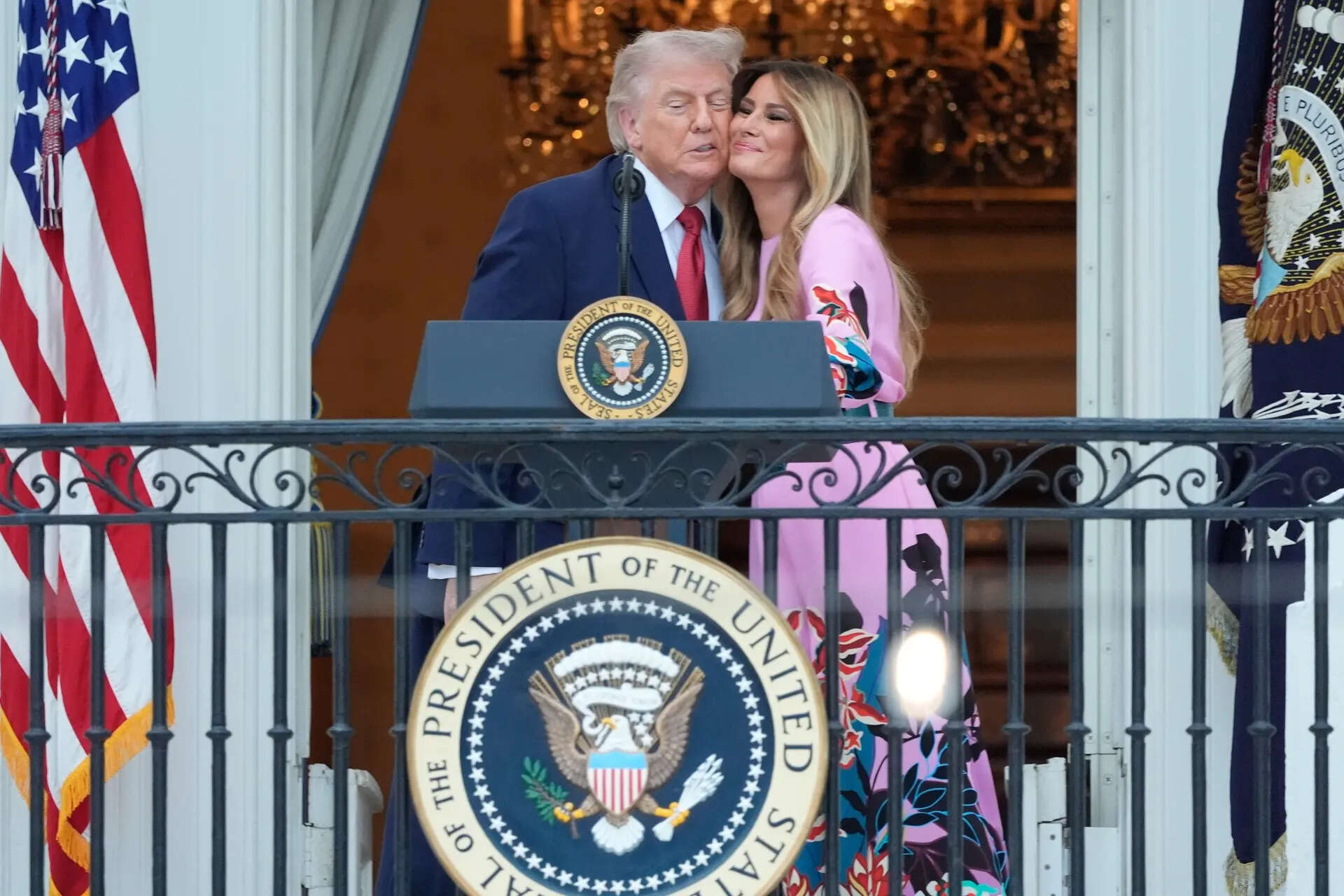
President Donald Trump and First Lady Melania Trump speak to guests during the Congressional Picnic on the South Lawn of the White House in Washington, Tuesday, May 19, 2026. (AP Photo/Manuel Balce Ceneta)
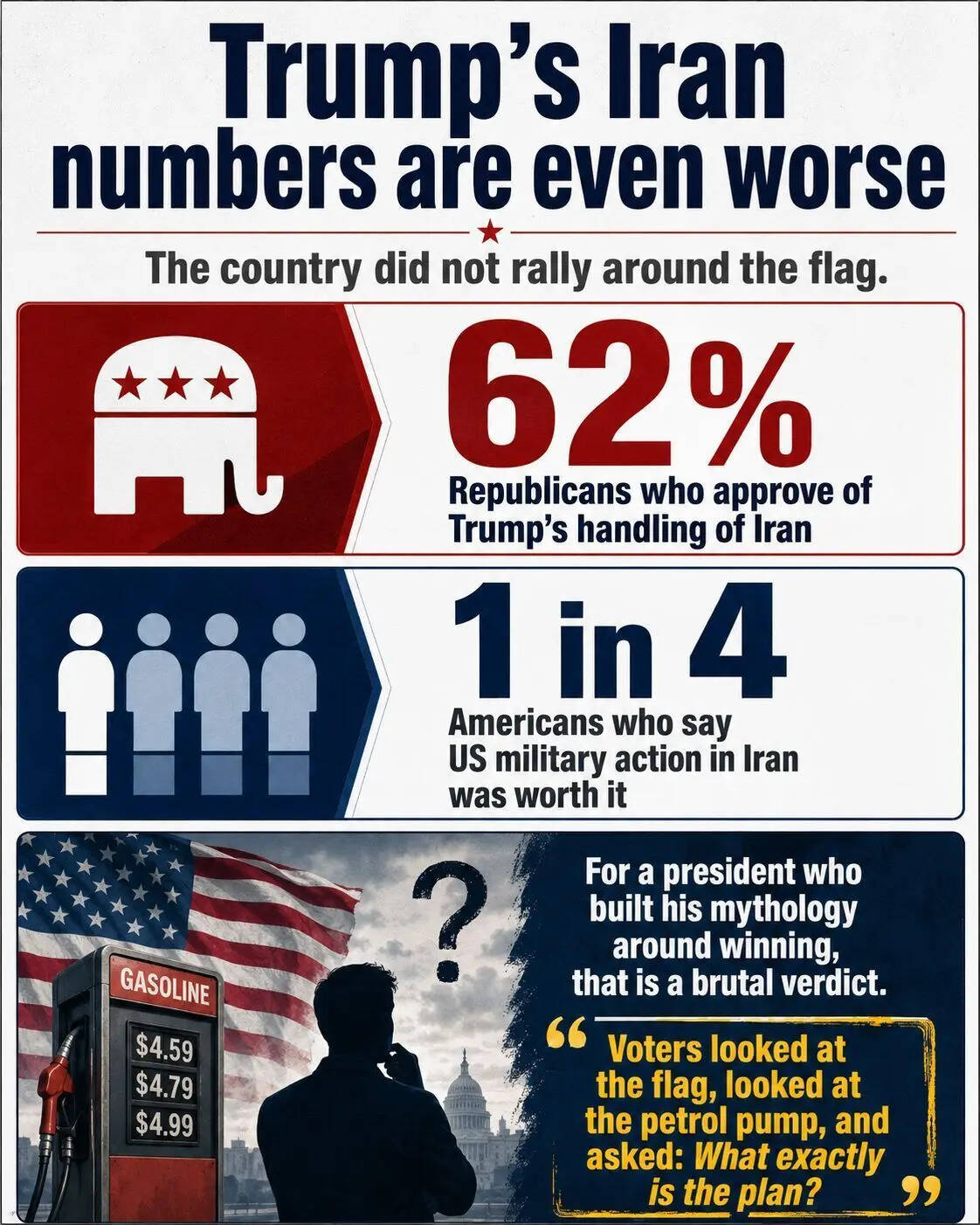
The numbers in Iran are even worse. Only 62% of Republicans approve of Trump’s handling of the conflict in Iran, and only a quarter of Americans say U.S. military action in Iran is worthwhile. It’s a cruel verdict for a president built on winning. It means the country is not united around the flag. It looked at the flag, looked at the gas pump, and asked what the plan was.Another poll found that two-thirds of Americans believe Trump has not clearly explained why the United States went to war with Iran. The same poll found that 66% said he had not clearly explained the goals of U.S. military involvement, while 63% said the recent increase in gas prices had hurt their household finances. Three-quarters of Americans, including half of Republicans, say the government bears at least considerable responsibility for soaring gas prices.
TACO principle
This is where the TACO framework comes into play politically. The quote began as a joke on Wall Street about Trump’s tariff threats. Financial Times columnist Robert Armstrong popularized the concept of “Trump is always timid,” describing a pattern of Trump issuing extremist threats, watching markets panic, and then softening or delaying action. When asked about the matter, Trump called it a “nasty question” and insisted it was a negotiation.Iran made this joke a foreign policy poster child. The war has driven up gasoline prices, disrupted a vital part of the global oil trade and made Iran refuse to behave like a defeated nation. Trump claims success, but the strategic picture remains muddled: a fragile ceasefire, continued pressure in the Gulf, rising domestic prices and a public failure to understand his goals.
Congress has taken notice. The Senate has introduced a war powers resolution that would end the war with Iran unless Trump gets congressional authorization. The vote was 50-47, with four Republicans joining the majority of Democrats. It was a rare rebuke of Trump 80 days after U.S. and Israeli forces began attacking Iran. Even more tellingly, Bill Cassidy, who had just been punished by Trump in the primaries, supported the measure.So, yes, Trump may lose to Iran. But he’s still winning where American power matters most: within the Republican Party.
Weak president, terrible party leader
Voters across the country are unhappy with him. The Republican base remains largely his. His war was unpopular. His approval remains lethal. His cost of living figures are horrific. His main machine still works. This is the dual reality of Trump’s second term. He could be weak as president and terrible as party leader.Counter-evidence is important because it makes the argument stronger. Democrats did well in special elections. The Brookings Institution found that in every congressional special election held so far in the 2025-26 cycle, Republicans lost ground compared with 2024 results, even in districts where they won. The report also noted that 12 state legislative seats have shifted from Republican to Democratic control, but none have flipped in the other direction.This means Trump is not “winning everywhere” in America. He did not sweep the national mood. He did not dominate the independents. In congressional preference polls, support for the Democrat has reached double digits among independent registered voters, while his approval ratings on the economy and the Iran conflict remain very low.
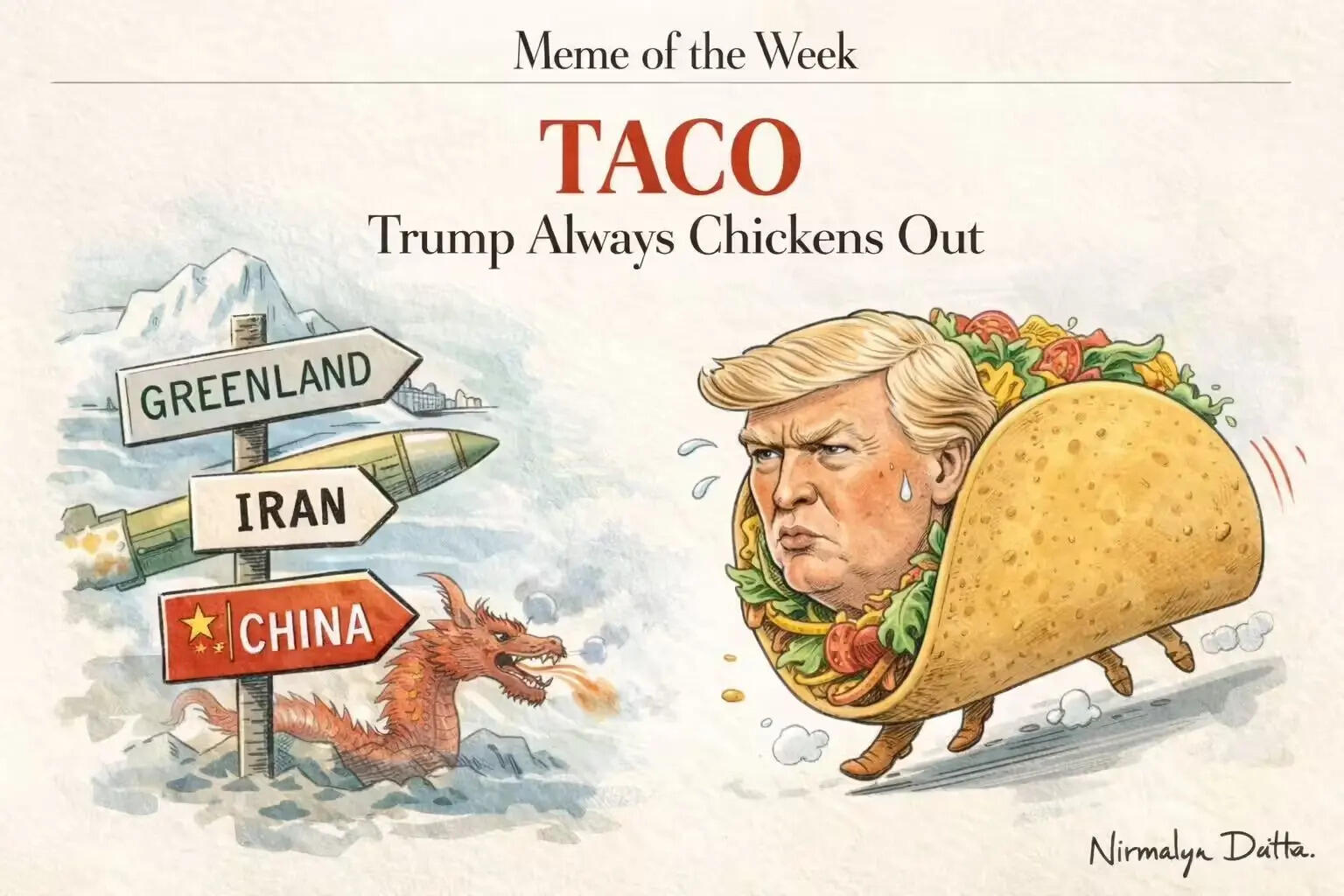
But American politics is not a single battleground. This is a map of nested races. Trump could lose the national debate while winning the Republican electoral process. He may be unpopular with independents, but he still terrifies Republican incumbents. He could be trapped by Iran abroad while reshaping the Republican Party at home into a party closer to a cult of loyalty than a conservative alliance.
obedience machine
That’s why Massie’s defeat is more important than a primary election in Kentucky. This shows that Trump’s political power has changed. In 2016, he won by appealing to Republican voters. In 2026, he wins by punishing the Republican class. Voters still matter, but the message to politicians is simpler: Your record, ideology and credentials are all negotiable. Your loyalty does not.This is Trump’s contradiction in its purest form. He promised to keep the United States away from forever wars, and then became embroiled in a conflict with Iran that many Americans felt he failed to account for. He promised lower prices and then presided over a gasoline crisis. He promised to build power overseas and then launched a war that left Tehran defiant, a restless Congress and an unconvinced electorate. Within the Republican Party, however, his power remains intact.In the Gulf, Trump’s threats involve missiles, oil markets and a country that doesn’t need to win on CNN to survive. In Kentucky, Louisiana and Indiana, his threats were met by Republican politicians desperate to survive the next primary. That’s the difference. Iran can withstand Trump’s wrath. Republican dissidents cannot.Trump may lose to Iran or China, but he still wins big in American politics, because American politics, at least on the Republican side, is no longer about whether Trump is right. The question is whether anyone has the power to tell him he is wrong.


