



“We’ve seen this before in the United States, and we know how to respond,” said Dr. David Fitt, incident manager for hantavirus response at the CDC.
Washington—— Hantavirus risk Infection rates among the American public remain low, the Centers for Disease Control said Thursday during a briefing on U.S. cases.
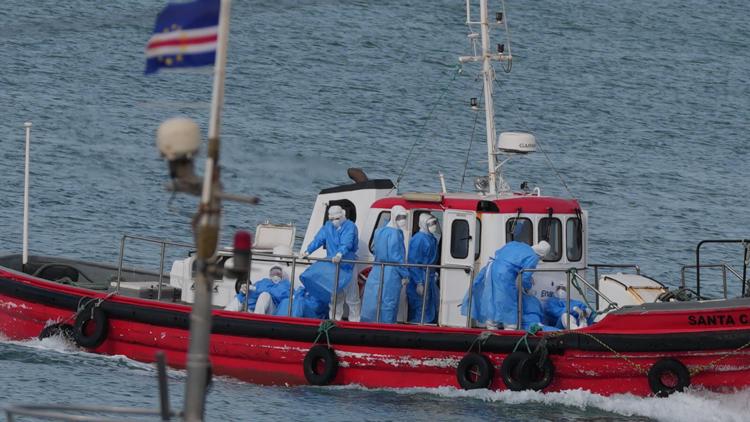
CDC officials outlined their response efforts, which include moving U.S. passengers from the Canary Islands to a biocontainment center in Nebraska and conducting ongoing monitoring and testing of individuals potentially exposed to hantavirus.
“This is not a new virus. This is a known virus,” said Dr. David Fitt, incident manager for hantavirus response at the CDC. “We’ve seen this before in the United States and we know how to deal with it.”
Speaking directly to the American public, Fite said: “American public, please know that we are here to protect your health, and based on current information, the risk to the general public remains low.”
Fite said the CDC activated an emergency response operation in Atlanta, with more than 100 staff members handling the situation. The response included teams flying to the Canary Islands and a biological containment center in Nebraska, where the passengers had been flown on a private repatriation flight days earlier.
Monitoring and testing work
Dr. Brendan Jackson, head of the Nebraska CDC response team, said extensive public health surveillance of the exposed passengers is ongoing.
“These in-depth health assessments include asking each passenger if they have been exposed to a confirmed case,” Jackson said. “The University of Nebraska team is conducting regular temperature monitoring, symptom screening and general health assessments.”
Jackson said hantavirus has a long incubation period and requires a 42-day monitoring window. This window begins on May 11, the day the ship departs. The longer surveillance window also reflects caution regarding exposure to specific Andean viruses.
For now, officials say testing is only recommended for people showing symptoms related to hantavirus.
Officials said earlier test results were inconclusive and a passenger considered “mildly positive” was being retested in the United States. “We initially had positive and negative tests,” Dr. Fitt said. “We want to redo the testing to make sure we’re doing it here and getting the results.”
Officials said updated results could be released in “a day or so.”
Questions about quarantine
CDC officials said there are no federal or state quarantine orders. The agency relies on voluntary cooperation and close coordination with local health departments.
“We are taking a conservative approach to this,” Fitt said, adding that “contacts are encouraged to stay home and work closely with state and local health departments.”
Officials are not releasing the exact number of people currently under surveillance due to privacy concerns.
The CDC has also released online guidance materials, including FAQs, fact sheets and surveillance guidance related to the outbreak.
Dr Fitt said much of the public health response was happening behind the scenes.
“This work is not always visible,” Dr. Fitt said. “But it never stops. It’s thoughtful, coordinated and critical to keeping our communities safe.”


