



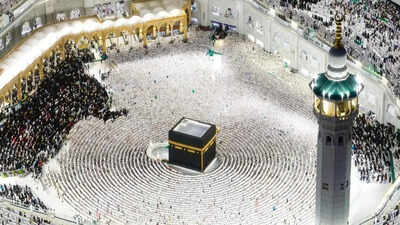
Saudi Arabia As authorities step up efforts to control overcrowding and improve pilgrim safety during the 1447 AH hajj, the government has announced tough new penalties for residents and tourists who attempt to perform the hajj without official permission.The Saudi Interior Ministry confirmed that anyone who performs or attempts to perform Hajj without a valid permit will face a fine of up to SAR 20,000. Foreign residents who violate the rules also face deportation and a ten-year ban from re-entering the kingdom.The news comes as Saudi authorities tighten regulations ahead of the annual hajj season, one of the world’s largest religious gatherings attended by millions of Muslims around the world.
Saudi Arabia’s new Hajj rules
Saudi Arabia has made it clear that only officially authorized pilgrims are allowed to enter Mecca and the Holy Land during the hajj season. Authorities said obtaining a legal hajj permit is now mandatory for all pilgrims, including those already living in the kingdom.The interior ministry said the restrictions apply from the first day of Eid-ul-Fitr to the 14th day of Eid-ul-Fitr. During this period, holders of visit visas are prohibited from entering or remaining in Mecca without proper Hajj authorization.Saudi officials said the measures were aimed at ensuring smooth crowd management, reducing congestion and protecting pilgrims during the extreme summer temperatures. Concerns about overcrowding and heat-related deaths during last year’s hajj season prompted authorities to step up enforcement of permits this year.
fines and penalties
The crackdown is not just targeting unauthorized pilgrims. Saudi authorities are also imposing harsher penalties on anyone who helps offenders enter Mecca illegally.According to the Interior Ministry, individuals or companies transporting, sheltering or assisting unauthorized pilgrims may face fines of up to 100,000 Saudi riyals. Penalties may increase depending on the number of violators.This rule applies to:
- Travel agencies and service providers
- accommodation provider
- Car owners and drivers
- Individuals who hide or assist offenders
Authorities also warned that vehicles used to transport illegal pilgrims could be confiscated through court orders.Saudi Arabia has also suspended Umrah permits through Nusuk platform during the Hajj season to prevent overlap between Umrah tourists and Hajj pilgrims.
Saudi Arabia urges tourists to follow rules
The Ministry of Interior urges citizens, residents and all visa holders to strictly adhere to Hajj regulations to avoid serious legal consequences. Authorities also encourage the public to report offenders through emergency hotlines, including 911 in Mecca, Medina, Riyadh and the Eastern Governorate, and 999 in other areas.Saudi authorities have begun enforcement actions. In a recent incident, Mecca police arrested a resident accused of promoting fake Hajj permits through social media platforms. The suspect has been handed over to prosecutors.Officials stressed that the “No Hajj without a Certificate” campaign aims to improve security, streamline Hajj activities and ensure emergency services can effectively manage the large crowds expected during the 2026 Hajj.
Digital control of Hajj 2026
Saudi Arabia is increasingly relying on digital licensing systems, surveillance technology and tighter visa controls as part of its wider Vision 2030 strategy to modernize religious tourism. Authorities are using these measures to better monitor pilgrim numbers and prevent unregistered visitors from entering restricted areas during the hajj.Officials said the stricter enforcement reflects the kingdom’s long-term strategy to make the hajj safer, more organized and easier to manage as global demand for the pilgrimage continues to grow.