


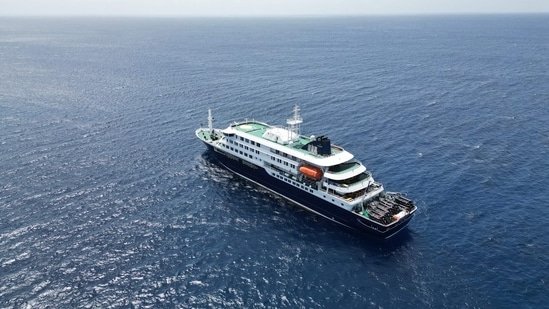
a suspected Hantavirus Outbreak on MV Hondius cruise ship off African coast, killing one three passengers. One of the deaths has been confirmed to be hantavirus, and the other cases are still under investigation, the New York Post reported.
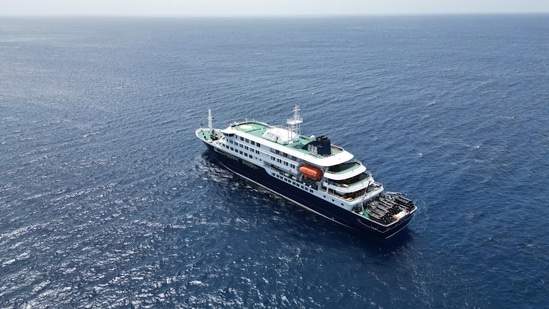
The first victim was a 70-year-old man who died from severe hemorrhagic fever. The virus came to widespread public attention last year when it was reportedly identified as the cause of death of Betsy Arakawa, the wife of classical pianist and actor Gene Hackman. New York Post.
WHO says ‘risk to the general public remains low’
The World Health Organization urges the public to remain calm. “The risk to the general public remains low. There is no need for panic or travel restrictions,” Hans Kluge, director of WHO Europe, said in a statement, according to Agence France-Presse. Hantavirus infections are “uncommon and often associated with contact with infected rodents,” he added.
Also read: Explained: What are hantaviruses? Suspected disease outbreak on deadly cruise ship
Here are five things to know about hantaviruses:
- Humans contract hantaviruses primarily by inhaling tiny particles in the feces, urine, or nesting material of infected rodents. It can also be spread through food contaminated by mice or, in rare cases, through bites or scratches from infected rodents. Viruses are not usually passed from one person to another. In the United States, more than 90% of cases have occurred west of the Mississippi River, with about 865 cases recorded between 1993 and 2022, according to the CDC.
- Hantaviruses can cause two serious illnesses. The first is Hantavirus Pulmonary Syndrome (HPS), a disease more common in the United States and the disease that killed Betsy Arakawa. It can severely damage the lungs and can cause fluid buildup, which can lead to dangerous heart and lung problems, according to the Mayo Clinic. The second type is hemorrhagic fever with renal syndrome (HFRS), which is more common in Europe and Asia and mainly damages the kidneys. Officials have not confirmed what illness is suspected on board.
- So, what are the symptoms? HPS typically begins with fever, fatigue, muscle aches, headache, chills, nausea, and stomach pain, occurring one to eight weeks after exposure. Breathing difficulty may develop within a few days. Symptoms of HFRS include fever, chills, back and stomach pain, blurred vision, red eyes, low blood pressure and acute kidney failure, usually one to two weeks after exposure, the CDC said.
- HPS is much more dangerous, with a mortality rate of approximately 35% to 40%. The fatality rate of HFRS is low, ranging from less than 1% to about 15%. There is no specific treatment for either disease. People with HPS may require oxygen support or a ventilator, while those with HFRS receive hydration and, if caught early, the antiviral drug ribavirin intravenously.
- The very important thing now is, how do you protect yourself? The best way to stay safe is to avoid contact with rodents. This includes trapping rats, properly cleaning rodent droppings with disinfectants without sweeping them into the air, keeping wood piles and compost piles away from your home, removing trash that may attract rodents, and not leaving pet food where rats can access it.
Overall, hantaviruses remain rare, but infection can be very serious. Staying vigilant and avoiding contact with rodents are key steps to reduce the risk of infection.