

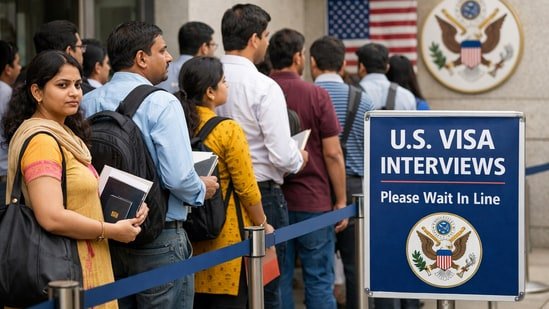
The United States has introduced two additional questions into the visa application process that could significantly impact approval rates for potential immigrants seeking temporary visas. According to the Guardian, this is an attempt by the US State Department to tighten approvals amid growing concerns about immigration abuse and asylum claims.

According to the Guardian, staff at all US embassies and consulates around the world have been asked to modify their procedures.
The embassy has now been instructed to raise two new questions with the government US visa seeker. They ask applicants to confirm that they will not fear abuse if they return home before interviews begin.
Read more: U.S. may accept more South African refugees
What are the new US visa interview questions?
According to The Guardian, two new questions added to visa interviews and documents include:
1. Does the applicant plan to apply for asylum after entering the United States?
2. Is the applicant concerned about being harmed or mistreated upon return to the country of nationality or permanent residence?
If they say “yes” or choose not to answer any of the questions, their likelihood of rejection increases dramatically.
If an applicant knowingly answers “no” to these two questions, but does not mean to do so, and is found to be false, he or she may be subject to penalties for lying to federal officials.
Who will be affected by this change?
Nonimmigrant visa applicants who undergo screening at a U.S. embassy or consulate in their home country must comply with the new directive.
Visitors who are not eligible for ESTA, university students, temporary farm workers, business leaders and H-1B worker Here are some examples of non-immigrant visa categories who will be asked this question during their interview.
Even if requesting asylum is legal under U.S. law, stating such intent on a non-immigrant visa application (such as a B1/B2 tourist visa or student visa) may directly violate the requirement to prove “non-immigrant intent.”
Why are these questions asked?
Under the directive, the new procedures are intended to reduce the number of people who make false statements when applying for visas.
The Guardian reported on the content of the directive, writing: “The high number of foreigners applying for asylum in the United States suggests that many foreigners misrepresent their intentions to consular officials during the visa application process and at U.S. ports of entry.”
The directive further details, “Information collected from visa applicants under current guidance is insufficient to identify applicants who fear harm or abuse upon return to their home country.”
Last week, a ruling declared an existing ban on accepting shelter Requests from the United States will be considered illegal.