


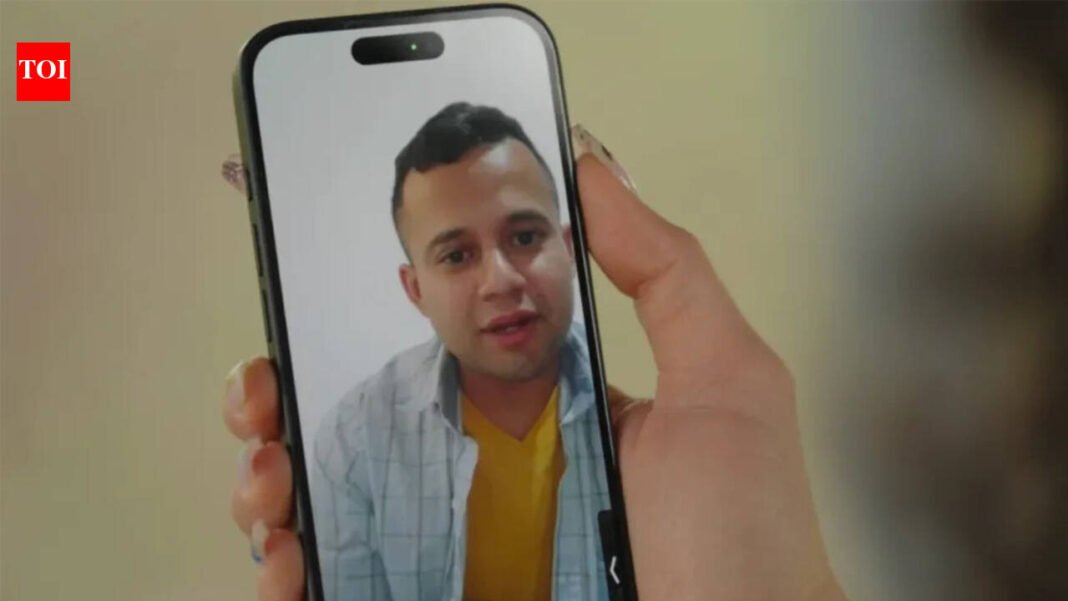
Jose Contreras Diaz speaks during a video call from Honduras (Image: MS Now)
A young man who was deported to Honduras despite having legal protections has been told he will be allowed to return to the United States, ending months spent separated from his family. He even missed the birth of his son in Texas.Jose Contreras Diaz, 30, is expected to return to Texas after immigration authorities notified him that he would be eligible for parole to re-enter the country. The decision came after he was suddenly deported in January, leaving him stranded in Honduras while his wife gave birth to their son Mateo.Contreras Diaz has lived in the United States since he was eight years old. He was effectively protected by the Deferred Action for Childhood Arrivals (DACA) program and had no criminal record at the time of his deportation. He was working as a pool technician in the Rio Grande Valley when immigration officials detained him during a routine check-in and put him on a flight to Honduras.“I felt like I woke up,” Contreras Diaz shared his story with MS NOW for the first time.“I woke up from so much stress, so many hard decisions,” he added.He described his deportation as sudden and painful, giving him no time to prepare or say goodbye to his family. “We tried to do the best we could,” he said. “And, why?”While he was still abroad, his wife gave birth to their son, an event he completely missed. “It really hurt me inside,” he said.He added: “It hurts me, it breaks my heart. But we stand up, you know, we stand up and keep fighting.”His case raises questions about the handling of DACA recipients under stricter immigration enforcement. His attorney, Stacy Tolchin, argued that his deportation was illegal and cited a separate federal ruling that said similar deportations were a “flagrant violation” of DACA protections.Shortly after applying legal pressure, immigration authorities informed Contreras Diaz that he would be allowed to return. However, neither he nor his legal team received a clear explanation from the Department of Homeland Security (DHS) or U.S. Immigration and Customs Enforcement (ICE) as to why the decision was reversed.A Department of Homeland Security spokesperson said DACA recipients are not automatically protected from deportation and may still face deportation under certain circumstances, including suspected criminal activity.Since its introduction in 2012, DACA has protected hundreds of thousands of people brought to the United States as children, allowing them to live and work legally. Public support for a path to citizenship for these people remains high in national surveys.For Contreras Diaz, the priority now is getting back to his family and rebuilding his life in Texas. Despite his ordeal, he said he still hopes to gain permanent legal status in the future.“That would be great. Honestly that would be great. It would open doors,” he said.He added: “You will restore my wings.”