


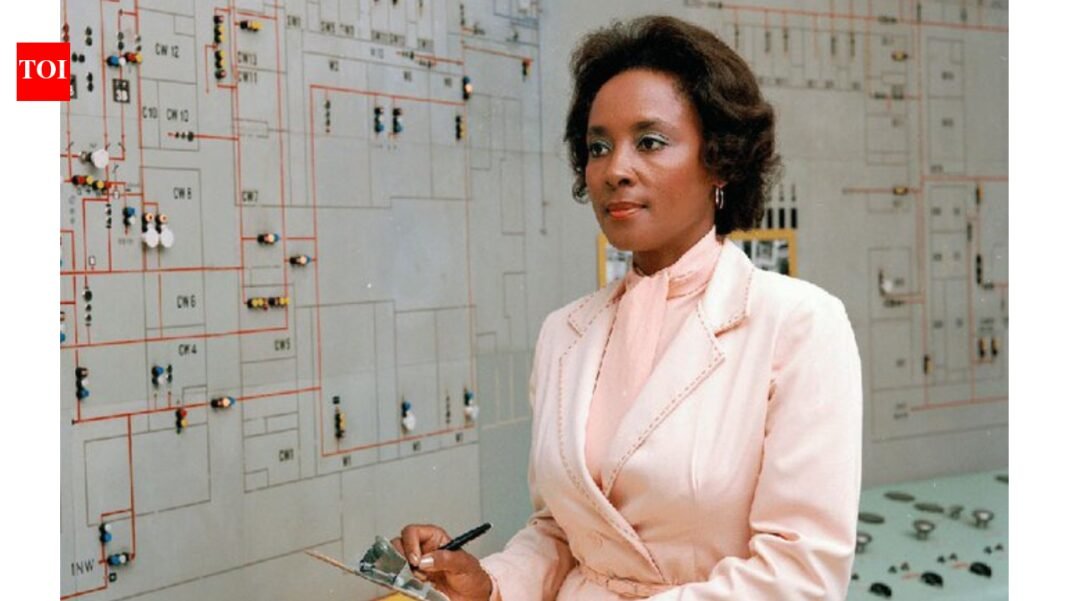
Before electronic computers became the mainstay of modern science, complex aerospace calculations were done by hand, painstakingly and with extreme precision. One of those doing this important work is Annie Easley, a mathematician who began her career working on “human computers” in the 1950s. Working in an era of limited technology and opportunity, she played an important role in shaping early aerospace research. As machines gradually replaced manual calculations, Easley adapted and transformed himself into a skilled programmer, contributing to supporting propulsion and energy projects NASAThe ambition is getting bigger and bigger.
The Journey to Becoming NASA’s “Human Computer”
Annie Easley was born on April 23, 1933, in Birmingham, Alabama, at a time when opportunities for black women were severely limited. Despite these challenges, she developed a strong academic foundation and showed early aptitude for mathematics. After moving to Cleveland, Ohio, she initially enrolled in a pharmacy program. When the program ended, she had to rethink her plans. A newspaper advertisement for a vacancy for a mathematician prompted her to apply to the National Advisory Committee for Aeronautics. This decision marked the beginning of a long and influential career in aerospace research.Easley joined NACA in 1955 as a “human computer,” performing complex mathematical calculations manually. Teams like hers work on aerodynamics, flight trajectories and propulsion systems, generating data that engineers use to test and improve aircraft and early space-related technologies.
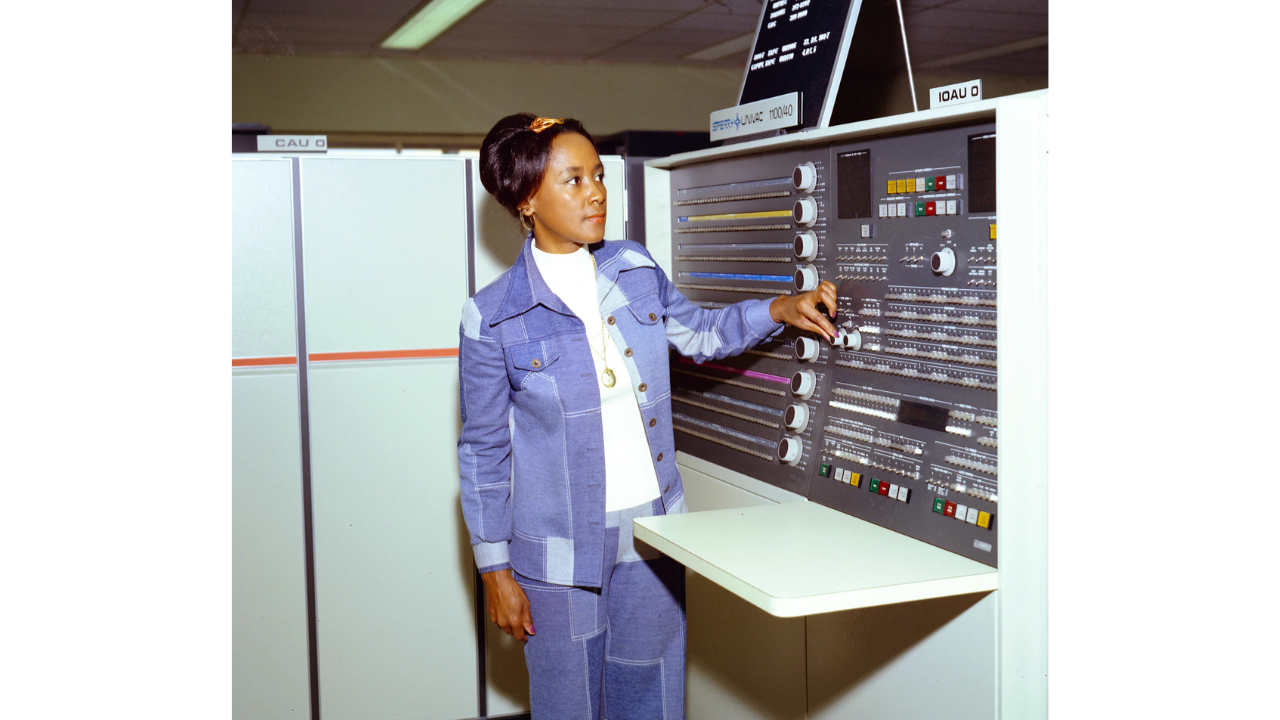
Annie Easley works on the UNIVAC 1100/40 computer for data processing at NASA’s Lewis Research Center (February 25, 1976).
Transition to the computer age
A major shift occurred in the late 1950s and 1960s, when electronic computers began to replace manual calculations. Easley recognizes the importance of adapting to this change. She learned programming languages such as FORTRAN and became proficient in early computing systems. When NACA became NASA in 1958, she had already entered this new phase of her work. Her transition from manual computing to programming allowed her to remain an active contributor during a period of rapid technological change.Easley spent most of her career at NASA’s Glenn Research Center, where she developed and tested computer programs to simulate real-world physical systems. Her work supports research in propulsion, energy systems and aerospace performance, reflecting the increasing reliance on computational methods in engineering.
Contributions to the Centaur Rocket Program
One of Easley’s most notable contributions involved the Centaur Upper rocket program. The system used liquid hydrogen and liquid oxygen, making it one of the most efficient propulsion technologies at the time. Easley works on projects analyzing propulsion performance and energy efficiency, supporting calculations used to plan satellite launches and deep space missions.She has also contributed to research on energy conversion and efficiency, including work related to battery systems and long-term electricity use. These efforts support the broader goal of improving aerospace system reliability and performance.
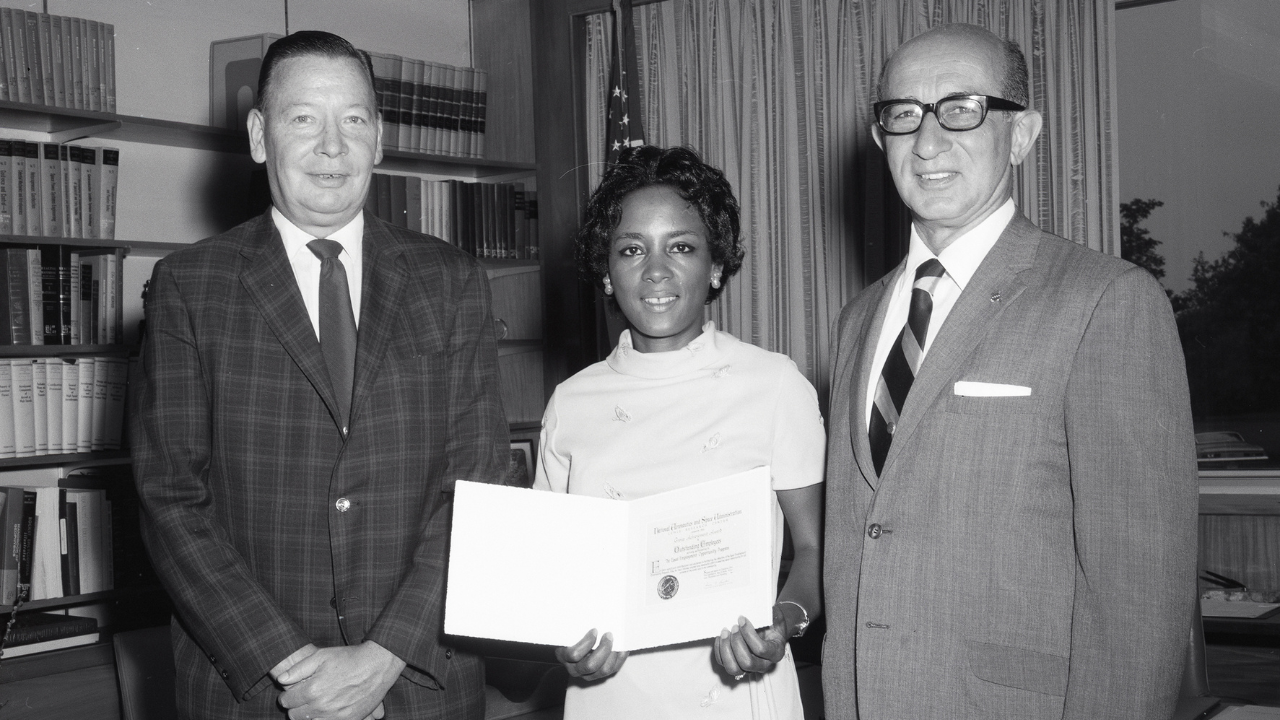
Annie Easley receives the Special Achievement Award from Henry Barnett and Gene Manganiello at a ceremony on June 30, 1970.
Overcome barriers and champion inclusion
Easley’s career unfolded during a time when racial and sexual discrimination was widespread. As a black woman in technology, she faced systemic challenges but built a respected career and contributed to critical research. She supports equal employment initiatives and encourages younger generations to pursue science and engineering careers.Easley retired in 1989 after 34 years of service. Over the course of her career, she has witnessed the transition from manual to advanced computing and contributed to projects that advance aeronautics and space exploration.Today, Annie Easley is recognized as an important figure in the history of computing and aerospace. Her story highlights the importance of resilience and draws attention to the contributions of women and underrepresented groups in STEM.