


Quiet but noticeable changes are taking place in the way senior leaders run their companies. Some of the biggest names in business are abandoning long-standing office habits and replacing them with routines that may seem unusual to outsiders. At companies like Nvidia, Airbnb, United Airlines, Southwest Airlines, and Twilio, CEOs are organizing their workdays in ways that don’t always align with traditional business expectations.In a role where decisions have significant impact, the idea seems to still be keen. Not everyone agrees with these approaches, but they are gaining attention across the business community. Some of these methods may not be suitable for all workplaces. Nor do they eliminate stress or workload. Still, they recommend a gradual change in how executives manage their time at the top.Here are some unconventional work life rules from top CEOs.
Top CEOs’ secret work rules that change company culture
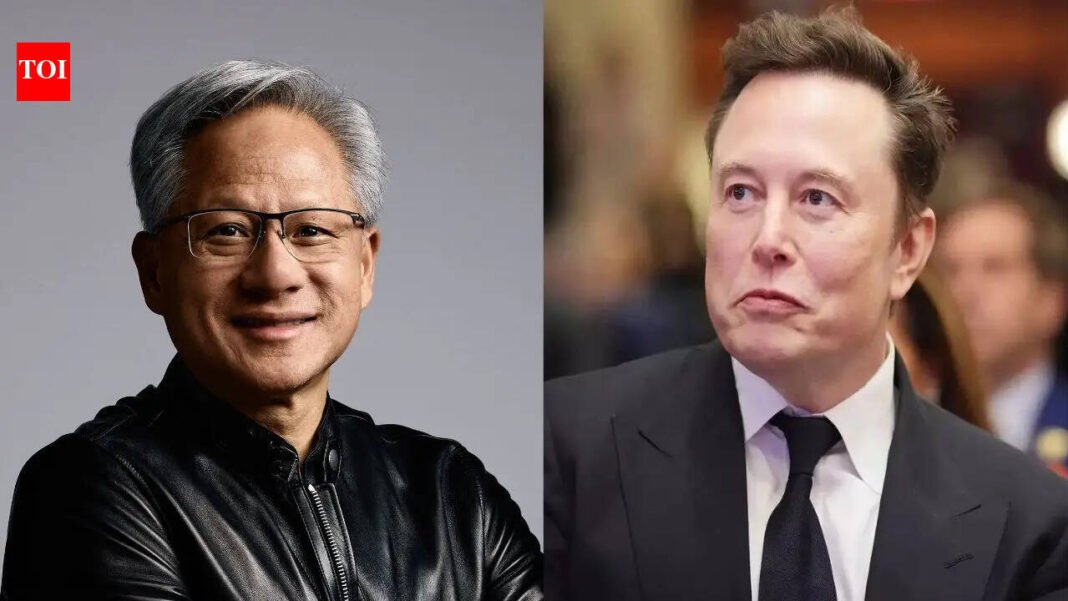
Jensen Huang – Nvidia: No one-on-one meetings
At NVIDIA, the work culture evolves rapidly. Huang reportedly avoids one-on-one meetings with his direct reports. This is an unusual approach for a company at the center of the global race for artificial intelligence.Information remains open between teams rather than private pursuits. Huang has mentioned in public discussions that he prefers transparency over filtered communication. Everything shared with leaders is shared widely within the organization. Interactions with executives still exist, but are structured differently. Short exchanges replaced long meetings. He is reported to respond quickly if an emergency arises. No reservations. More reactive.In theory, the goal is simple: “Reduce meeting time and increase construction time.”
Brian Chesky – Airbnb: Say No to Email Habits
At Airbnb, communication takes a different turn. Brian Chesky no longer uses email as a daily tool. He tends to rely on phone calls and text messages, which he considers more direct and less laborious.He also avoids early morning meetings. His work starts later, usually after 10 am. It’s not a rule he expects others to follow, just a personal structure that suits the pace at which he works. A simple thought runs through it all. What happens inside the meeting when it begins is equally important.
Scott Kirby – United Airlines: Taking a nap in the corporate offices
At United Airlines, leadership is more hands-on. Scott Kirby once talked about taking naps during the workday.Although the rest is not long, the 20-minute nap habit is associated with a clear mind. This habit was once noticed by staff, who even placed a sofa in his office. Since fatigue can impair decision-making, short sleep has been reported to help refocus your attention. This is not a common image of leadership. CEO taking a break during the day. Still, it seems to be part of the way he manages long hours in a demanding industry.
Bob Jordan – Southwest Airlines: Spend the afternoon thinking
At Southwest Airlines, time management took another direction. Bob Jordan introduced protected areas in his calendar where meetings were not allowed. Free on certain afternoons during the week. The purpose is not to rest alone. Now is the time to think, plan, and review priorities without interruption.He describes the modern administrative calendar as packed with activities that may not always equal progress. Meetings can fill up calendars quickly, but they don’t always move strategy forward.“This approach signals a change in leadership style.”
Khozema Shipchandler – Twilio: Short meeting and event breaks
At Twilio, time is also strictly controlled. Khozema Shipchandler prefers shorter meetings, often shortening the standard time by a few minutes.A 30-minute period may become 25 minutes. The hour may end at 50 o’clock. Unused time is not wasted but used for exercise, stretching or a quick walk. The idea is to keep your energy steady throughout the day. Avoid sitting for long periods of time if possible. Even small breaks are considered part of job performance.
Elon Musk – Tesla: No big meetings
According to Forbes, at Tesla, Elon Musk has repeatedly emphasized reducing unnecessary large meetings. He describes it as a common inefficiency found in large organizations, which often grow in size and lose focus over time.His point is that meetings should only be held if they clearly add value to everyone in the room. If you don’t, they should be avoided or reduced. A one-hour meeting of eight people actually consumes eight collective working hours. When teams grow in size, the time cost quickly multiplies, sometimes amounting to multiple full working days in one meeting.“Protect productive time and keep discussions purposeful rather than routine.”