


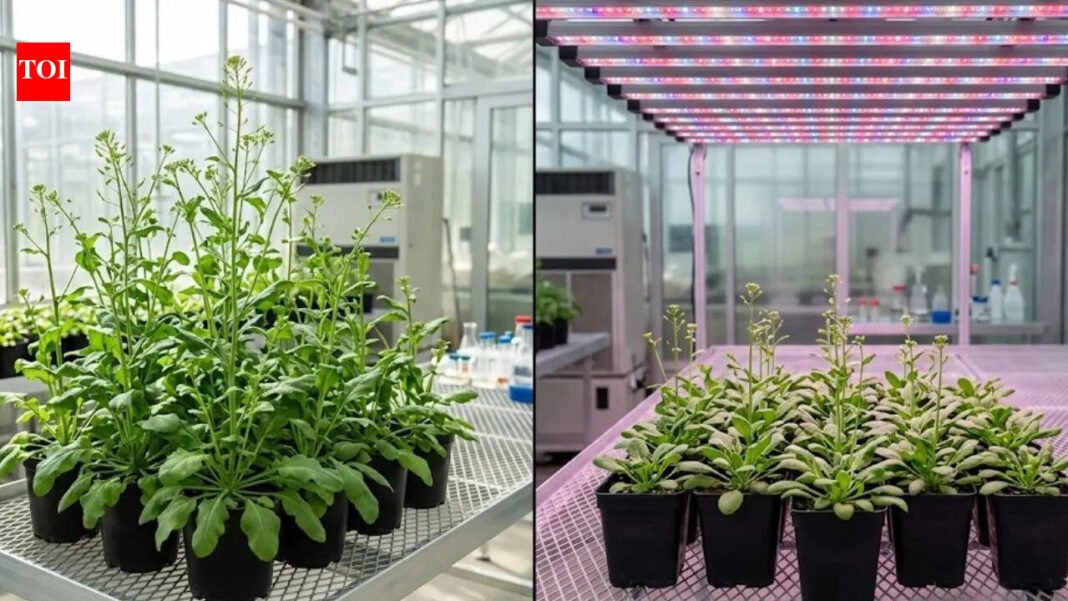
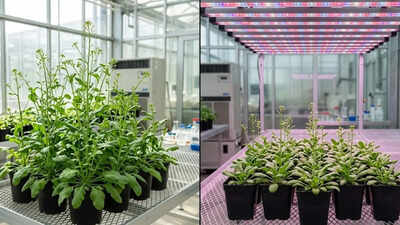
In fact, light is essential for photosynthesis, but research from Osaka Metropolitan University found an interesting paradox: it also slows down plant growth. The study was published in Physiology botanical magazine, Show that exposure to white light induces biochemical changes; this reaction makes the bond between the plant’s internal tissues and outer layers stronger. The accumulation of p-coumaric acid in the cell wall results in a stiffer structure but limits the length of the plant. By mastering the balance between strong structure and rapid growth, scientists may find ways to breed crops that can withstand challenges such as wind and heavy rain without losing important yields.
How white light increases tissue adhesion and limits plant growth
The main mechanism behind this growth inhibition is a phenomenon called “tissue adhesion.” As noted in the journal Plant Physiology, scientists found that when these plants were exposed to white light, the peeling force required to separate the tissues increased. This gives the plant a tighter structure and mechanically inhibits stem expansion. Specific photoreceptors, called phytochromes and cryptochromes, play a role in this process. They detect light conditions and signal the plant to focus on strengthening the cell walls rather than growing rapidly.
How phenolic acids strengthen cell walls
The study highlights that p-coumaric acid, a phenolic acid, is critical for growth inhibition. This acid increases in the cell walls when exposed to light, acting as a cross-linker and increasing the bond strength between the epidermis and cortical tissue. As a result, the plant becomes stronger and tougher. While this helps the plants better withstand physical challenges, it also means the plants are shorter and more compact than those grown in dark conditions.
The outer layer limits internal expansion
As noted in the journal Plant Physiology, this study shows that light not only “signals” plants to stop growing; It physically changes the internal structure of the plant to create mechanical constraints. The researchers measured how much force it takes to peel off the epidermis, or outer layer, from the plant’s internal tissue. They found that exposure to white light made the bond stronger. This increased strength creates a sleeve around the plant, limiting the elongation of internal tissues. As a result, the plant stays shorter and develops a sturdier and more compact shape.
a new perspective sustainable agricultural development
The discovery provides a new perspective on agricultural science, which focuses on preventing “lodging,” the permanent collapse of crops by wind or rain. By altering a process that controls how tissues stick together in response to light, breeders can create crop varieties with enhanced internal glue to withstand harsh weather. Insights from federal and global research databases underscore the importance of understanding these mechanical properties to keep food supplies stable in more unpredictable climate conditions.