



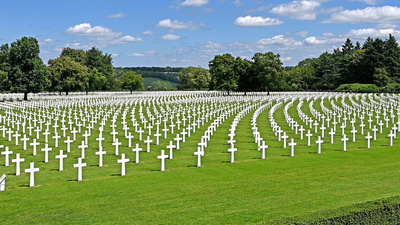
Decades after the end of World War II, a quiet and deeply moving tradition continues in parts of Europe. In Belgium and the Netherlands, local families took on the responsibility of caring for the graves of American soldiers who died during the country’s liberation. These are not blood relatives, but gratitude. They clean gravestones, lay flowers and ensure the names of fallen soldiers are never forgotten. What began as a spontaneous act of respect after the war has grown into an organized intergenerational commitment. It reflects lasting memories, dignity and bonds that transcend national borders.
How a family began caring for the graves of WWII American soldiers
In the years following World War II, communities in liberated areas developed a deep sense of gratitude for the Allied soldiers who fought and died for freedom. Many families began visiting nearby American cemeteries to tend individual graves as a sign of gratitude. Over time, this informal practice evolved into a structured adoption program where families would take responsibility for a specific grave and ensure it was cared for year-round.For many families, caring for a soldier’s grave is not a one-time thing but a lifelong responsibility. In some cases, the same grave is cared for by multiple generations of the same family. Parents pass on to their children responsibility, stories of soldiers, and values of remembrance and respect. This continuity has helped the tradition survive for more than 80 years.At the Dutch American Cemetery, more than 8,000 graves and more than 1,700 names on the wall of the missing have been adopted by local families. Demand was so high that the waiting list grew into the hundreds, eventually forcing organizers to close new registrations in 2021. A similar scene can be seen at Flanders Fields American Cemetery and Henry Chappell American Cemetery, where each grave receives extraordinary dedication.
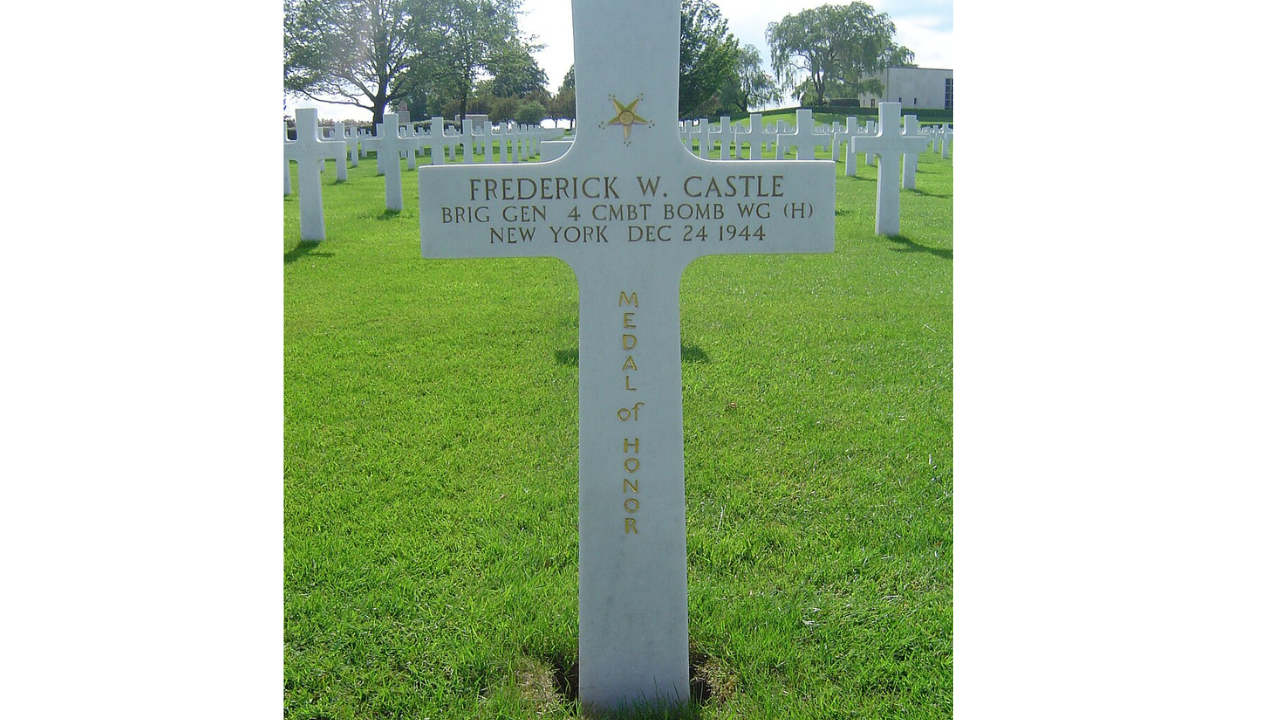
General Castle’s grave is the highest ranking American soldier buried in Belgium.
More than just remembrance: building relationships
While many adoptees may never meet the relatives of the soldiers they honor, some have gone to great lengths to connect with their families in the United States. Letters, photos and visits help create meaningful connections across continents. At one point, a Belgian couple even established a small museum dedicated to preserving the stories of the fallen.This tradition is not limited to families. Schools in Belgium and the Netherlands actively allow children to visit cemeteries and learn about the history behind each grave. Students are encouraged to learn about the sacrifices made during the war and take part in commemorative events to ensure the legacy lives on into the future.Every Memorial Day, thousands of local families gather at these cemeteries to lay flowers and honor soldiers they never knew. Yet their actions were significant. Within these quiet rows of white tombstones lies a powerful promise. Those who gave their lives far from home will never be forgotten.