
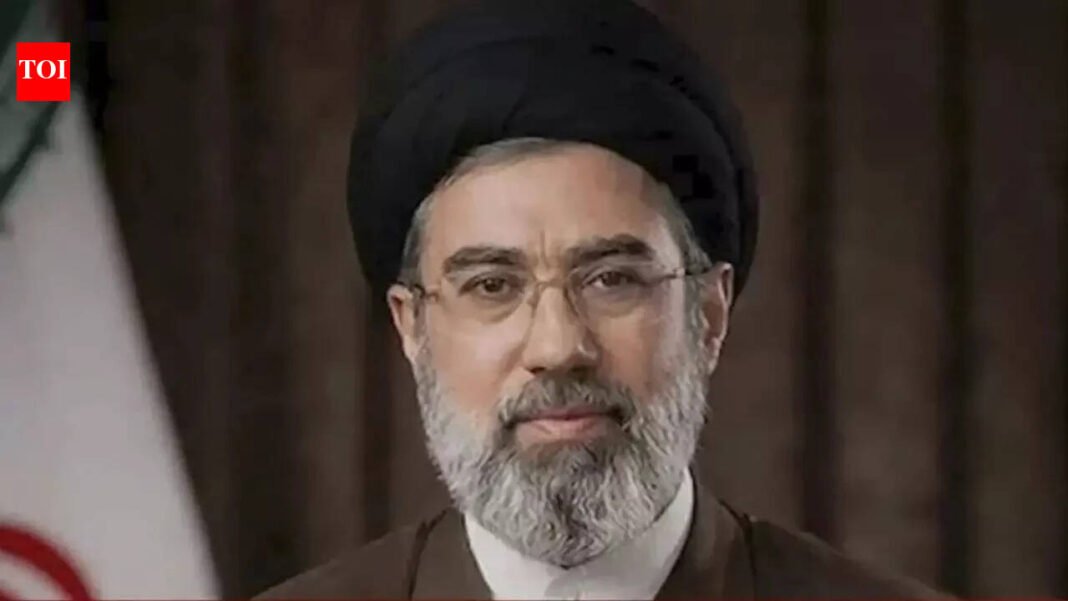
File photo: Mojtaba Khamenei
Iran’s new Supreme Leader Ayatollah Ali Khamenei has expressed a tougher stance on the strategically vital Strait of Hormuz, warning that Tehran will push its control of the vital waterway to a “new stage” even as pressure remains on Iran’s fragile ceasefire with the United States and Israel.Khamenei addressed the nation in a written statement on Thursday, declaring that Iran would not allow the United States and Israel “impunity for their acts of aggression” and would seek compensation for war losses. “With the permission of Almighty God, we will not let go of the criminal aggressors. We will definitely demand compensation for every injured person, collect hard-earned money for the martyrs, provide compensation for the disabled soldiers in this war, and we will definitely push the management of the Strait of Hormuz to a new stage,” he said.
Victory declared, warning issued during ceasefire
Khamenei also claimed victory in the current West Asian conflict, praising the resilience of the Iranian people and armed forces. He said: “Today, so far, I can boldly say that you, the heroic Iranian nation, are already the final victors on this stage.”Despite the temporary ceasefire, he urged citizens to continue mobilizing, asking people to form “human defense chains” and maintain pressure during negotiations. “Your shouting in the square was very effective in the outcome of the negotiations,” he added.Khamenei also struck a cautious tone, saying Iran was not seeking war but would not “give up our legitimate rights under any circumstances” even while negotiating with Washington.
Strait tensions complicate diplomacy
The Strait of Hormuz remains at the center of tensions. Disruptions in the narrow waterway, a vital global oil route, have raised concerns about supply shocks and higher energy prices.U.S. President Donald Trump has accused Iran of failing to fulfill its pledge to allow oil shipments through the strait and warned of consequences if flows were disrupted.Meanwhile, the ceasefire remains fragile, with parties divided over its scope. The United States and Israel insist the ceasefire does not apply to targets linked to Hezbollah, even as Israel continues to launch attacks in Lebanon.While diplomatic efforts continue, both sides continue to accuse each other of illegal behavior, raising the risk of escalation.