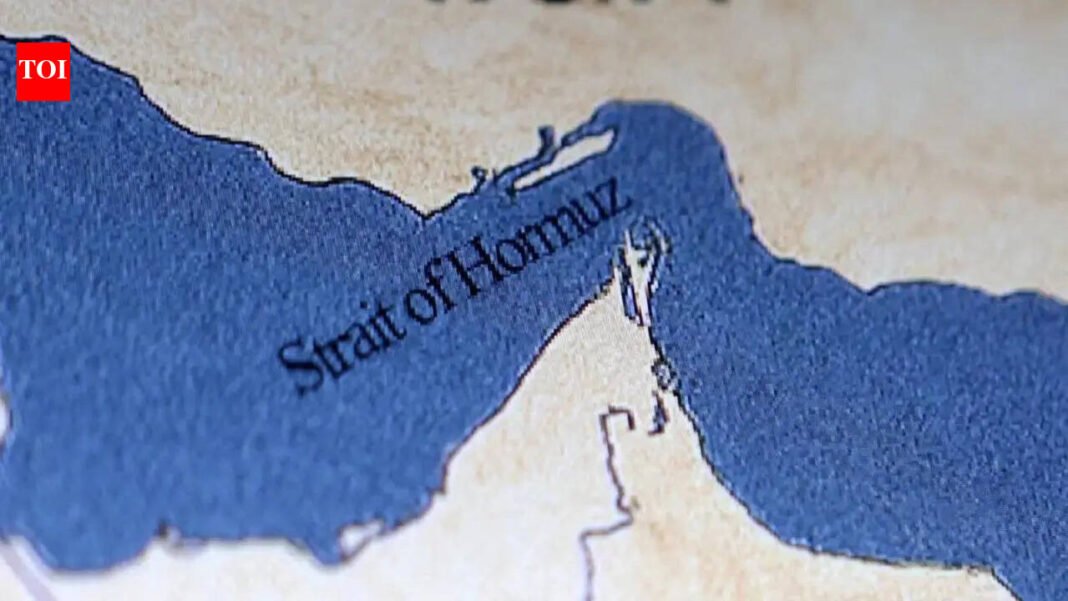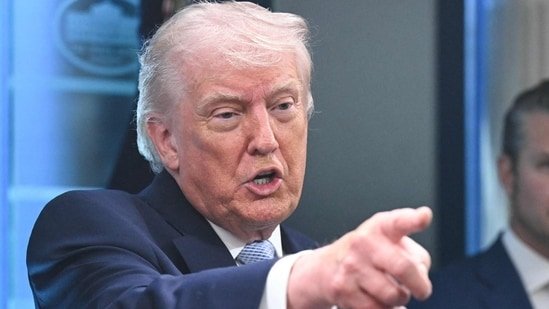
The United States, Iran and Israel agreed to a two-week ceasefire at the last minute ahead of a deadline given by US President Donald Trump and threatening to start a bombing campaign that he said would destroy Iranian civilization.

Yet until Trump makes a decisive decision on a truce with Tehran, U.S. defense officials remain in the dark.
Axios quoted a defense official as saying: “We don’t know what’s going to happen. It’s crazy.” According to Axios, hours before the ceasefire was announced, U.S. troops in the Middle East and Middle East officials Pentagon has been preparing for a massive bombing of Iranian infrastructure. They’re also trying to figure out Trump’s tendencies.
Also Read | 10 Iran asks US to ‘accept’ two-week ceasefire
Immediately after Pakistani Prime Minister Shehbaz Sharif unveiled the terms of a possible ceasefire on X and called on both sides to accept it, Trump began receiving a barrage of phone calls and text messages.
Hawkish allies and confidants are said to be urging him to reject the deal. Therefore, even those among his close aides who may have spoken to him an hour or two before the ceasefire were convinced that he would not accept its terms.
U.S. allies in the region are said to have also anticipated a U.S. attack and are preparing for massive Iranian retaliation. In Iran, civilians are fleeing their homes to avoid what they believe is an imminent attack.
How was secret diplomacy conducted before the armistice?
Hours before Trump’s deadline and for the first time since the conflict began, Iran’s Supreme Leader Ayatollah Ali Khamenei directed his negotiators to work toward a deal, Axios said, citing an Israeli official, a regional official and a third source.
Axios said Iran’s 10-point counterproposal was not welcomed by Steve Witkoff, the U.S. envoy to the Middle East, according to 11 sources with knowledge of the negotiations. Vitkov allegedly told the mediator that the deal was “a disaster, a disaster,” according to sources.
Thereafter, “chaotic” back-channel negotiations began, with Pakistani mediators passing a new draft between Vitkov and Iranian Foreign Minister Abbas Araghchi. In addition to Islamabad, the foreign ministers of Egypt and Türkiye are also involved in efforts to secure a ceasefire. China has also suggested that Tehran seek a ceasefire.
Mediators later secured U.S. approval for an updated two-week ceasefire proposal late Monday. The proposal was subsequently approved by Khamenei, with Iranian Foreign Minister Araghchi also playing a central role in the negotiations and pushing the Revolutionary Guards to accept the deal, Axios reported.