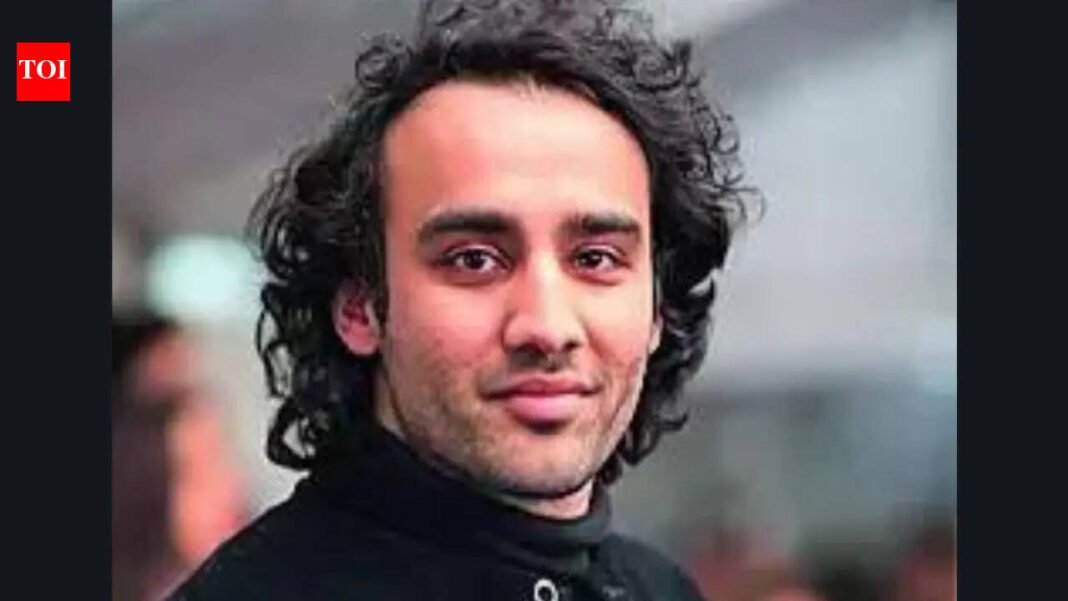
In January, in an ornate building in the heart of Islamabad, Pakistan’s most powerful leaders gathered to welcome a special visitor: Zachary Witkoff, CEO of World Freedom Finance, the cryptocurrency platform co-founded by U.S. President Donald Trump.The prestigious guest list made the event look more like a state visit than a ceremony for the non-binding stablecoin agreement, which is exploratory in nature and involves no major financial commitments. One photo showed the 32-year-old son of Trump adviser Steve Witkoff flanked by Pakistani Prime Minister Shehbaz Sharif and Field Marshal Asim Munir. On Munir’s other side is a key figure in the past year’s transformation of U.S.-Pakistan relations: Bilal Bin Saqib, a 35-year-old self-proclaimed “crypto bro” who says he worked three jobs, including cleaning toilets, to put himself through college. At the event, Saqib welcomed the visit of Zachary Witkoff and other WFC executives, saying it would help “put Pakistan on the map”.Saqib emerged from relative obscurity to suddenly become one of Pakistan’s most influential figures. He has forged partnerships with cryptocurrency luminaries such as Changpeng Zhao, better known as CZ, the billionaire founder of Binance Holdings Ltd., the world’s largest cryptocurrency exchange. He has also interacted with the likes of fund manager Cathie Wood, Bitcoin billionaire Michael Saylor and El Salvador President Nayib Bukele, who made Bitcoin legal tender in 2021 and established a Strategic Bitcoin Reserve Fund.Last month, Saqib posted a selfie with Zachary Witkoff and other company executives at Trump’s Mar-a-Lago club in Florida. Around the same time, Pakistan reached an agreement with the United States to renovate the Roosevelt Hotel in Manhattan. “The door has opened because of cryptocurrencies,” Saqib said in a recent interview. “New conversations have been opened, trust has been built. We have an opportunity to rebrand.”Exactly how he soared to become one of Pakistan’s most influential officials in such a short period of time remains unclear. Saqib, who is from Lahore, said his interest in cryptocurrencies began during Bitcoin’s historic bull run in 2017, when the currency surged from under $1,000 in January to $14,000 by the end of the year.After starting to work with the Pakistani government in March 2025, it did not take long for Saqib to rise to prominence. The next month, he convinced Binance’s Zhao to serve as a strategic advisor to the Pakistan Cryptocurrency Council. Trump eventually pardoned Zhao in October. About three weeks later, Saqib hosted Zachary Witkoff and other executives from World Liberty Financial in Islamabad, which signed a “letter of intent” with the Pakistani government to deepen cooperation on stablecoin adoption.Trump’s family business will also benefit from entering Pakistan’s virtual asset market. The country has 40 million cryptocurrency users and an estimated transaction volume of more than $300 billion, according to the Treasury Department, and has one of the highest adoption rates in the world as residents look for investment alternatives in a chronically inflationary economy.Trump has also shown that he can quickly attack any leader, no matter how close they appear to be. He could ask Pakistan, which signed a defense deal with Saudi Arabia last year, to somehow join the fight against Iran – a scenario that would put Munir in a difficult position. For Saqib, however, the focus is on developing the technical skills of Pakistan’s young generation so that they can grow the economy and avoid having to ask the IMF for cash every few years.