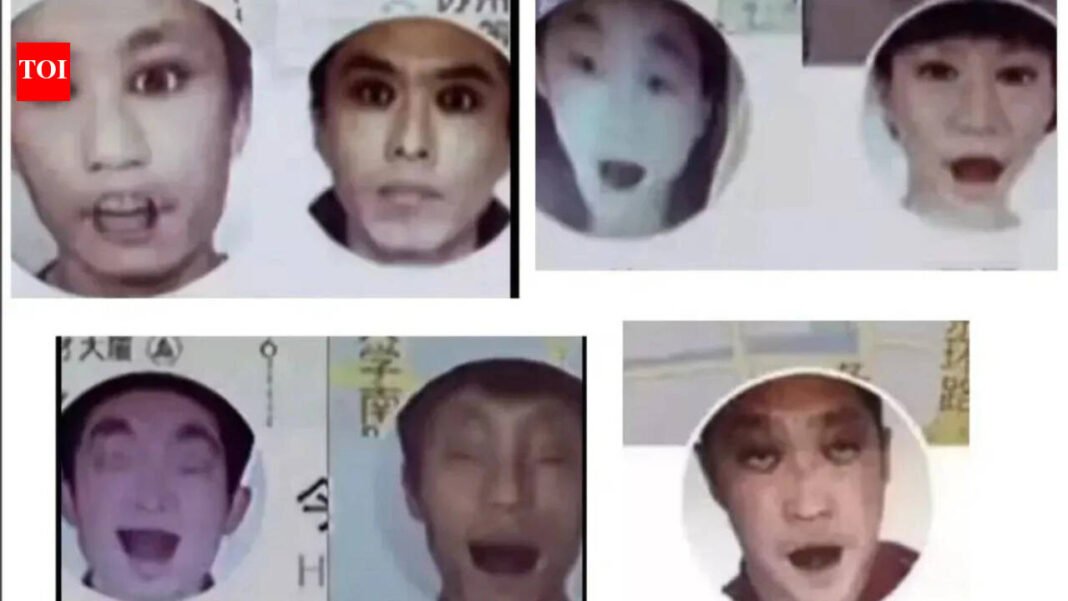

In 2016, a strange and disturbing scam began appearing on ride-hailing apps in China. Passengers who booked rides through Uber started noticing something strange. The avatars of the drivers assigned to pick them up often show disturbing, distorted or zombie-like faces.What initially appears to be a glitch or a joke quickly turns out to be an elaborate hoax.So-called “ghost drivers” are not supernatural phenomena, but real drivers who take advantage of system vulnerabilities. Their goal is simple. They want passengers to cancel out of fear so they can charge cancellation fees for no-shows.The scam has been reported in several major cities in China, including Tianjin, Qingdao, Chengdu, Beijing, Shanghai and Suzhou. The approach relied heavily on psychology, according to local media and international reports at the time.When a passenger books a ride, the app displays the driver’s profile photo, along with details like the car and license plate. In many cases, the images used by these drivers are intentionally disturbing. Some look heavily edited, distorted, or even horror-themed. Considering the safety issues associated with carpooling, many users choose to cancel the carpool immediately.This decision comes at a cost.
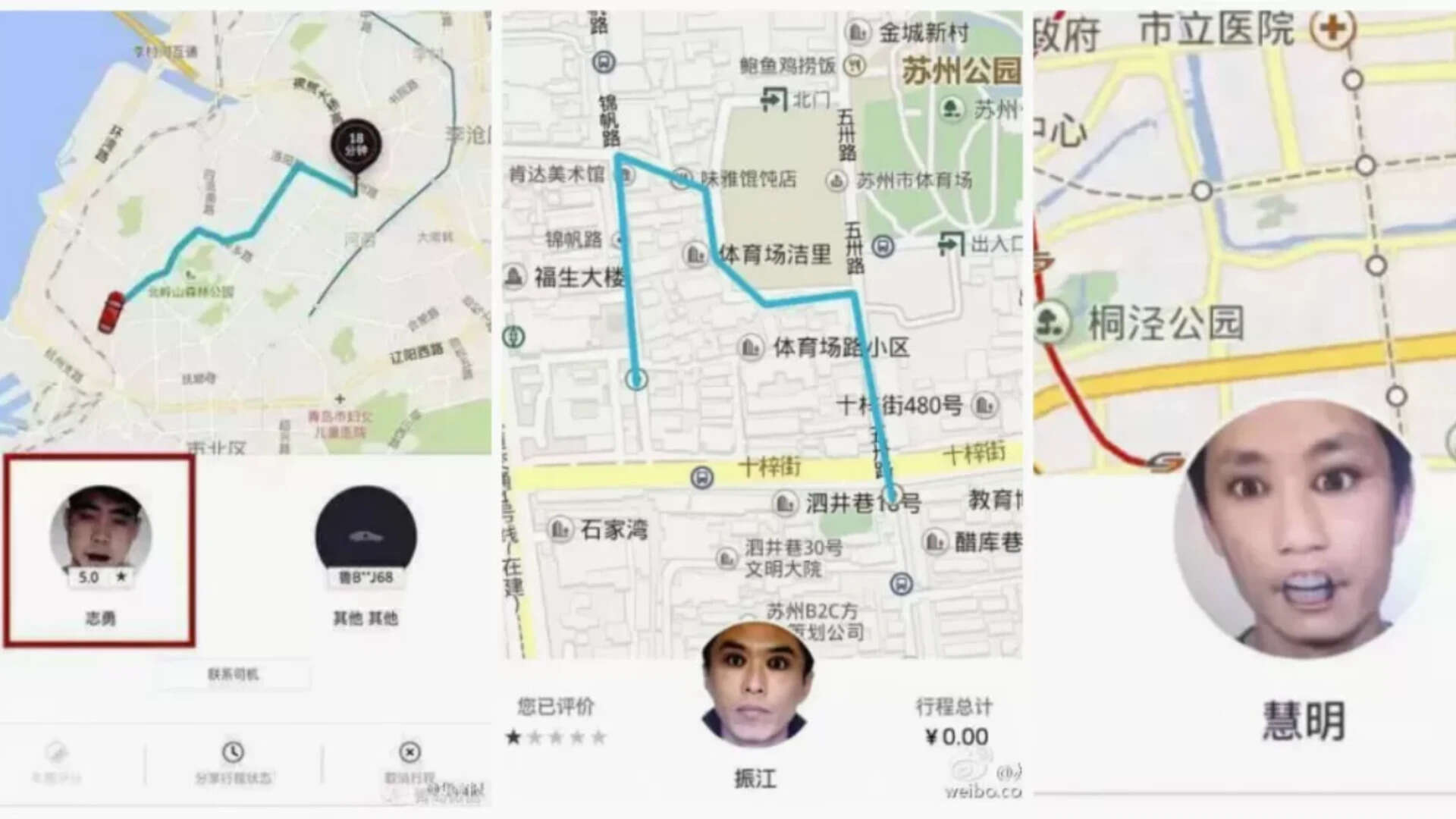
There is usually a small fee for canceling a trip before picking up the car, usually just a few yuan (RMB). While the amount was small, the scale of the scam made it profitable. If repeated multiple times a day, drivers don’t have to complete a single trip to earn money.The plan didn’t stop there. If a passenger doesn’t cancel out of fear, the driver will employ additional tactics.One method is to start the trip without the passenger entering the car. These “ghost rides” allow drivers to register completed journeys and collect fees. Another tactic is to accept a ride request and then simply not show up. Waiting passengers end up canceling their reservations and paying again.In some reported cases, users described situations where the app showed drivers cars approaching or even passing their location, even though no vehicle was visible. A rider from Shandong province told the Financial Times, “It was evening and judging from the driver’s position, I expected the driver to arrive soon. The map showed the driver had just passed me, but there were no cars around. The road was narrow and there was no way a car could pass me without me seeing it.“The issue raises concerns at a sensitive time for Uber in China. The company has struggled financially in the country, reportedly losing about $1 billion a year. In August 2016, Uber merged its China operations with local rival Didi Chuxing, effectively ending its independent operations in the market.Even as consolidation is underway, the ghost driver problem highlights the challenges of managing large, dispersed driver networks.Uber publicly acknowledged the problem. The company said it has “zero tolerance for fraud” and said it was actively investigating the issue. It also confirmed that it had begun banning accounts linked to fraudulent activity.“We have taken immediate action to ban these individual fraudulent accounts that have been reported, while we continue to investigate and combat any fraud to protect the interests of riders and drivers,” an Uber spokesperson said at the time.To prevent such scams, Uber has introduced a facial recognition system for drivers in China. The system is designed to ensure that drivers are matched with registered account holders. However, the ghost driver scam shows that identity verification alone is not enough to stop platform manipulation.The company also said it was refunding customers who reported being affected and was gathering evidence to better understand the extent of the problem.Reports suggest the scam may not be an isolated incident but part of a wider pattern. The use of similar tactics in multiple cities has raised concerns that drivers are sharing methods or coordinating behavior.The incident also highlights a broader problem in the ride-hailing industry. Digital platforms rely heavily on the trust of drivers and the system itself. When this trust is broken, even small scams can have a big impact on user confidence.While the financial damage to individual passengers is usually minimal, the experience itself is troubling. The combination of bizarre images, missing drivers and unexplained accusations has created a sense of unease among users.In the years since, ride-hailing companies have tightened their systems and introduced stronger safeguards. However, China’s “ghost drivers” remain one of the more unusual examples of how technology platforms can be exploited in unexpected ways.What makes this scam remarkable is not just its deceptive tactics; Through fear and confusion, drivers turn a simple cancellation function into a profit-making tool. This is a reminder that even in highly controlled digital environments, human behavior can find exploitable vulnerabilities.