
Iran-linked hackers breach personal email accounts in Iran Kashi PatelA cache of photos and emails was posted online, Reuters reported. The group, calling itself the Handala Hack Team, claimed responsibility and said Patel had joined its list of “successfully hacked victims.”

this FBI Confirmed the breach but downplayed its severity. Spokesman Ben Williamson said authorities had taken “all necessary steps” to mitigate the risk, adding that the leaked material was “historical in nature and did not involve government information.”
What do the leaked documents show?
The hackers released more than 300 email samples, which reportedly span from 2010 to 2019.
The materials appeared to include personal and work-related letters, Reuters reported, but the agency noted that it could not independently verify the authenticity of the messages.
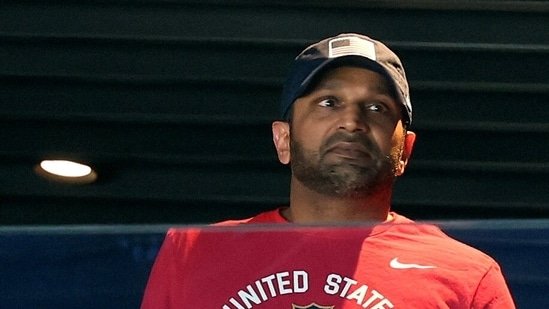
In addition to the emails, the group released a series of personal photos of Patel, including photos of him smoking cigars, riding in a vintage convertible and posing casually. The purpose of this leak was as much exposure as it was embarrassment.
The email account is believed to match a Gmail address previously associated with Patel in the data breach, Reuters reported, citing dark web intelligence firm District 4 Labs.
Who is behind this attack?
Handala describes itself as a pro-Palestinian hacking group, but Western cybersecurity researchers believe it is one of several fronts used by Iran’s cyber intelligence service, Reuters reported.
The group has recently claimed other cyberattacks, including a breach of US healthcare company Stryker and an alleged breach of data related to employees of defense contractor Lockheed Martin. middle East.
While some of the claims have not been confirmed, the pattern suggests an escalation in Iran-related cyber operations.
Why target personal email accounts?
Cybersecurity experts say the Patel leaks are in line with geopolitical strategy. Gil Messing, chief of staff at Israeli cybersecurity firm Check Point, told Reuters such actions were intended to embarrass U.S. officials and “make them feel vulnerable.”
He described the activity as part of a broader effort in which Iran-linked actors “do whatever they can,” especially amid tensions following U.S. and Israeli actions against Iran.
A U.S. intelligence assessment reviewed by Reuters earlier this month suggested Iran and its allies may resort to relatively low-level cyberattacks, such as email leaks, in response to an escalating conflict.
Is this violation unusual?
Targeting the personal email accounts of senior officials is nothing new. Similar breaches have occurred in the past, including the 2016 hack of political strategist John Podesta’s Gmail account and the 2015 breach of then-CIA Director John Brennan’s personal email.
Analysts say such attacks often rely on less sophisticated methods but can still have a huge impact when sensitive or embarrassing material is released publicly.
What happens next?
It’s unclear whether the Patel account exists or if more data will be released. Reuters reported that hackers linked to similar operations have previously claimed to possess large amounts of stolen data on other U.S. politicians, but such claims have not always been confirmed.
For now, officials insist no confidential information was leaked.