

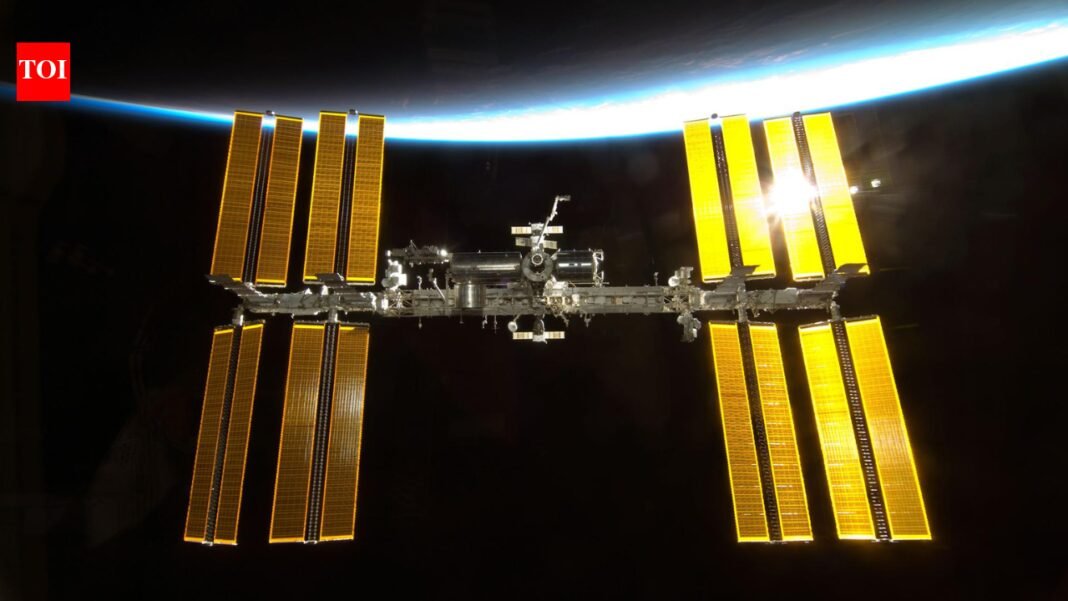
In a recent example of a space mission not going as planned, a Russian cargo spacecraft on its way to the International Space Station (ISS) encountered a technical glitch while docking with the ISS. This cargo spacecraft is transporting important supplies to astronauts on the International Space Station. The mission experienced a failure of one of its most important components shortly after launch. While not dangerous, it is a mission that requires experienced astronauts to manually control and maneuver the spacecraft.
What causes International Space Station docking issues
The problems began with the use of a Soyuz 2.1a rocket to launch the Progress MS-33 cargo ship into orbit from the Baikonur Cosmodrome in Kazakhstan. Shortly after entering orbit, mission engineers noticed a malfunction in one of the spacecraft’s KURS automated docking system antennas. The KURS system is an automated system that helps spacecraft safely dock with the International Space Station. according to NASA During the live broadcast, “the antenna failed to deploy correctly, which meant that the cargo ship was unable to use its usual system to dock with the space station.” The KURS system is the standard system used by Russia to dock its spacecraft with the International Space Station.
Why do you need manual docking?
However, since the automated system was unable to operate at full capacity, it was decided to implement a manual docking procedure. The task was assigned to ISS Commander Sergey Kud-Sverchkov. This would involve the commander manually guiding the spacecraft to the space station using backup systems.NASA reported via an X post that if antenna problems persist, the spacecraft will be operated using the TORU manual system. The system allows astronauts to manually operate the spacecraft from the space station.It’s especially worth noting that manual docking is nothing new. This was stated by Oleg Kononenko, Director of the Russian Cosmonaut Training Center. “Manual approaches … are something astronauts practice regularly in training,” he said.
What does the spacecraft carry?
However, despite this technical issue, the Progress MS-33 spacecraft continued its journey to the International Space Station, with all other systems operating normally.This cargo is very important to the daily activities of the crew. Goods include:
- food and drinking water
- station motor fuel
- Oxygen and life support equipment
- General equipment and maintenance supplies
The total volume of cargo transported in this mission is approximately 2.5 tons.
Why this event is important for space missions
While the situation was handled appropriately, it’s a reminder of one of the most important aspects of space exploration: redundancy and human skill are still vital.The spacecraft is quite advanced in terms of technology; however, always plan for unexpected machine failures. The ability to switch from automated docking mode to manual mode demonstrates the robustness of astronaut planning and training.This is also a testament to the experience gained over the years. The TORU system as a backup is a system that Russian space technology has been using for quite some time.
A glitch, a powerful system
In the intricate world of space exploration, even small technical glitches can have significant consequences if not handled properly. However, in this case, the problem with the antenna was quickly identified and properly resolved.This case reminds us that although space exploration involves complex technology, the astronauts’ knowledge and preparation will ensure the success of the mission, even if things don’t go as planned.