as war between iran and the united states Now more than three weeks old, U.S. Treasury Secretary Scott Bessant said President Donald Trump is “weakening the Iranian regime” and bringing peace to the Middle East. Follow the latest developments in conflicts in the Middle East

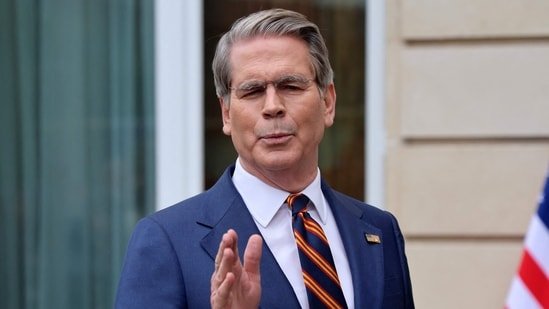
“What we have is a security illusion. Imagine if this regime had another year or two to build up their missile capabilities. They would build a shield around themselves and it would be impossible to prevent them from getting a nuclear weapon,” Bessant said on NBC’s “Meet the Press” television program.
Alo
“There is no prosperity without security, and all we had before was the illusion of security. Thanks to President Trump’s decisive actions, our world is now a safer place,” Bessant wrote on X.
He also said Trump was using “the only language Iranians understand” by threatening to destroy the country’s power plants unless Tehran fully opens the Strait of Hormuz, which has been a bone of contention on both sides of the war.
He further said Trump would take “all measures” to achieve his goals in the war with Iran. The secretary was asked about comments last week that Trump was considering “ending” military operations and whether the president was now escalating the conflict.
“They are not mutually exclusive,” Bessant said. “Sometimes you have to level up to downgrade.”
Latest developments in the war between Iran and the United States
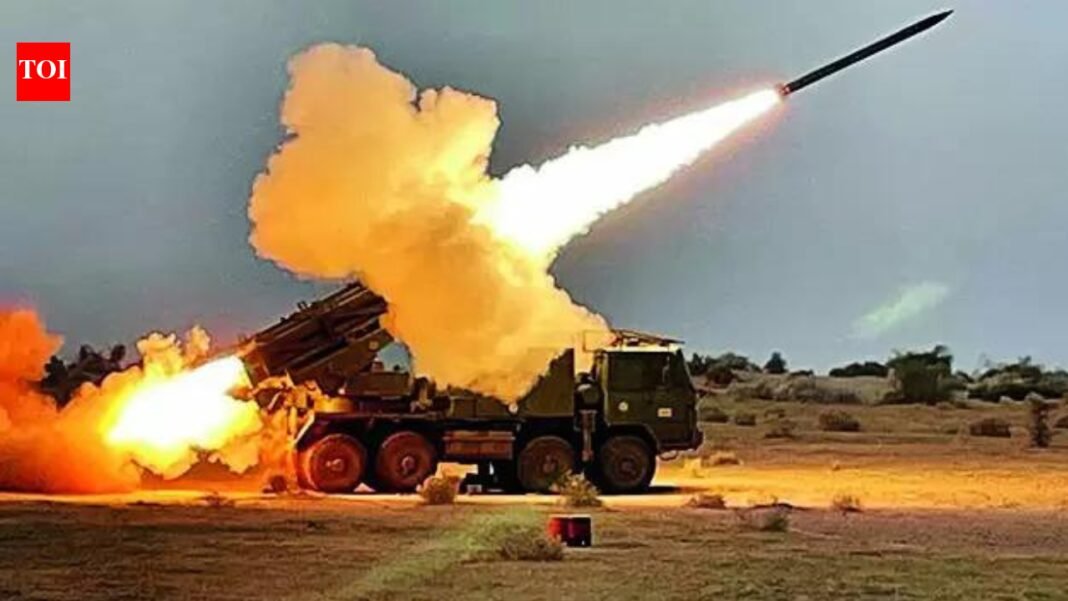
Meanwhile, Iran and the United States are exchanging war threats, with Trump warning that the United States will “destroy” Iran’s power plants if Iran does not fully open the Strait of Hormuz within 48 hours. In response, Tehran said it would respond to any such attack by attacking U.S. and Israeli energy and infrastructure assets. Meanwhile, Iranian missiles struck two communities in southern Israel late Saturday, destroying buildings and injuring dozens of people in two strikes not far from Israel’s main nuclear research center.
The death toll caused by the war has risen to more than 1,500 people in Iran, more than 1,000 people in Lebanon, 15 people in Israel, 13 people in the US military, as well as a large number of civilians on land and sea in the Gulf region. Millions of people have been displaced in Lebanon and Iran.