

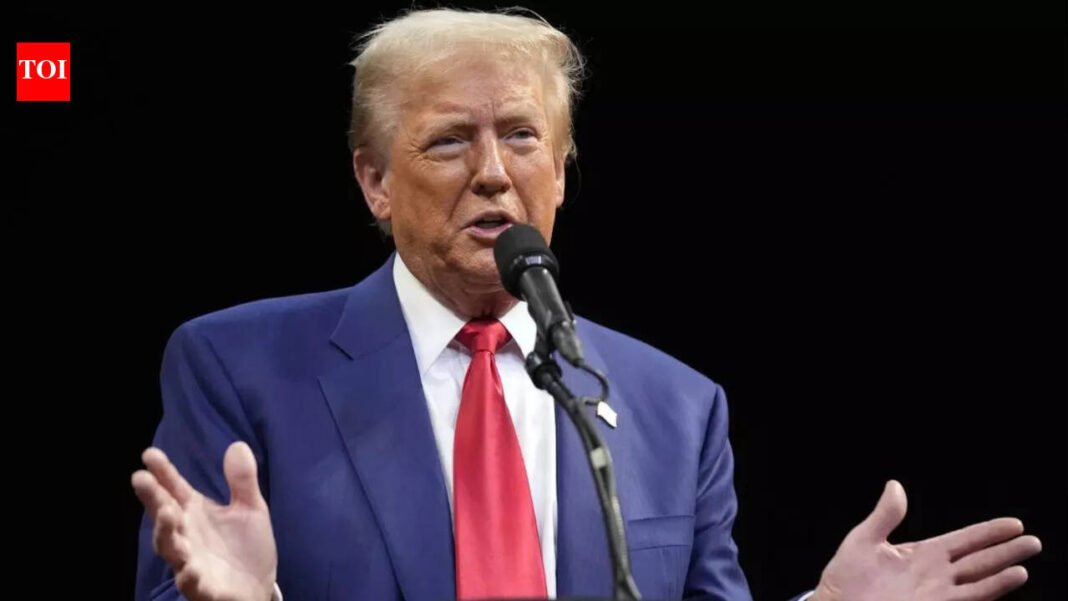
U.S. President Donald Trump has announced a 60-day temporary waiver of the century-old Jones Act, a move aimed at easing rising energy prices amid ongoing turmoil in global oil markets due to escalating tensions with Iran.The decision allows foreign-flagged vessels to transport fuel and other essential goods between U.S. ports, a major shift from longstanding domestic shipping rules.The White House said the exemption was intended to cushion the economic impact of supply disruptions caused by ongoing conflicts in the Middle East. Press Secretary Carolyn Leavitt said the move would “mitigate short-term disruptions to oil markets” and ensure that critical resources such as oil, natural gas, fertilizers and coal can flow more freely through U.S. ports.The news comes as oil prices surge and supply chains are strained by disrupted shipping routes and instability at major chokepoints around the world.
What is the Jones Act
The Jones Act, formally known as the Merchant Marine Act of 1920, is a United States federal law regulating domestic maritime commerce.The law was enacted after World War I to strengthen the U.S. shipping industry that had suffered heavy losses from German submarine attacks.Under the act, any cargo transported between U.S. ports must be transported by a vessel that:
- Built in the United States
- owned by U.S. citizens
- Register under the American flag
- The crew is mostly made up of Americans
The law is designed to support national security and maintain a strong domestic shipping fleet. Critics, however, argue that it limits competition and raises transportation costs, particularly for fuel and essential goods.
Why exempt now
The temporary shutdown comes as geopolitical tensions in the Middle East, particularly conflicts involving Israel and Iran, disrupt global energy supplies.The Strait of Hormuz is a key flashpoint, through which a large portion of the world’s oil supplies pass. Disruptions in the region caused crude oil prices to surge and had knock-on effects on global markets.In the United States, gasoline and diesel prices have climbed sharply in recent weeks, forcing the government to take swift action.By waiving the Jones Act, the administration hopes to increase shipping flexibility, allowing foreign vessels to help transport fuel domestically and potentially easing supply bottlenecks.The Jones Act waiver coincides with the U.S. Treasury Department easing sanctions on Venezuela’s state-owned oil company PDVSA, allowing U.S. companies to resume business with the oil giant under certain restrictions, as the Trump administration seeks to increase global crude supplies amid the war with Iran.
Will it decrease fuel price
Experts say the impact is likely to be limited. While exemptions can improve logistics and reduce transportation restrictions, fuel prices are affected by global crude oil markets, refinery capacity and geopolitical risks. Any relief from the pump may be temporary.Still, the move is indicative of the Trump administration’s broader efforts to stabilize energy markets, along with measures such as easing oil-related restrictions and tapping strategic reserves.