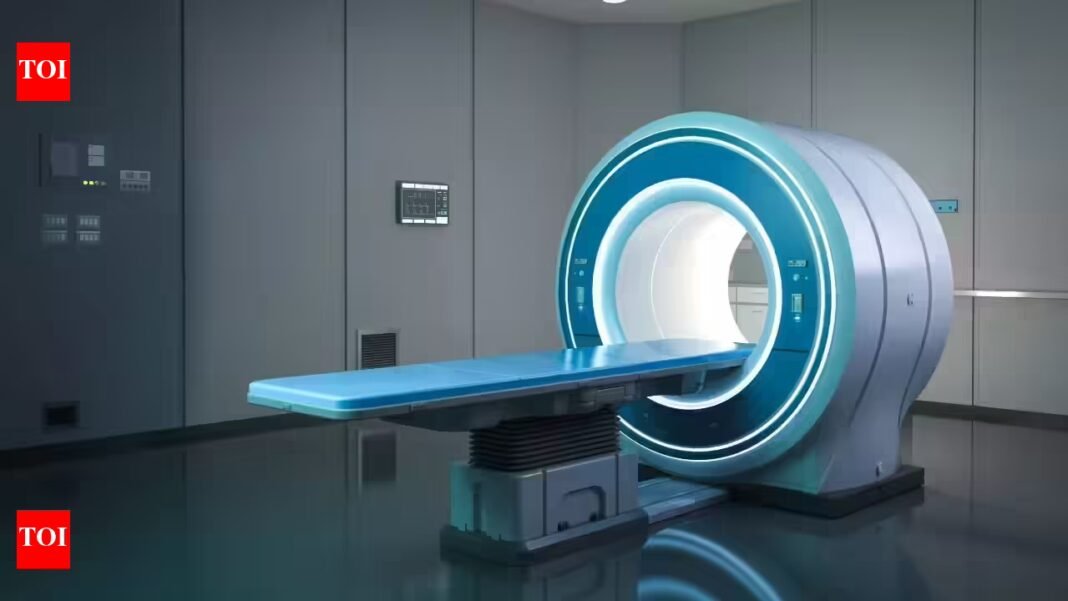

New Delhi: A gas you rarely think of is disrupting India’s MRI supply chain. Helium shortages linked to West Asia have strained helium supplies in India and pushed up costs, raising the risk of more expensive scans and delayed diagnoses.With India heavily reliant on imports of non-renewable natural gas from Qatar used to cool MRI magnets, hospitals and imaging centers are bracing for tight supplies, even as stocks remain low and global logistics become erratic. Pavan Choudary, president of the Indian Medical Technology Association, told The Times of India that Qatar accounts for nearly a third of global supply and any sustained disruption will have a direct impact on global MRI services and related applications, and early price signals are worrying. As a by-product of natural gas processing, helium supply varies with LNG production, so supply disruptions in Qatar are causing global supply constraints. Although there is no obvious visible damage, the risk is clearly increasing. Globalized medical technology supply chains are vulnerable to prolonged instability in West Asia, with supply chain costs rising sharply, a medical technology company executive said. In addition, due to the limited supply of helium itself, several companies have begun developing helium-free MRI machines over the years.Hariharan Subramanian, Managing Director, Siemens Healthineers, said: “Given the disruption caused by the geopolitical situation, the impact on helium supply has been limited. We have launched helium-free MRI and are actively adopting dry cooling technology. This efficient helium approach reduces dependence on the gas and minimizes service disruptions.” Arjun Arunachalam, founder of Bengaluru-based medtech startup Voxelgrids, said even though helium prices are around $80 per cubic meter in some markets, our company remains insulated as we produce helium-free imaging systems. In addition, the knock-on effects of the conflict have also spread to the domestic medical device industry, with manufacturers warning that shortages of basic hospital consumables, including IV bags and tubes, urine bags, cannulae, and syringes, may occur as early as next month. With only 15 to 20 days left in stock, manufacturers are warning hospitals of possible supply disruptions.Shortages of industrial gases used in boilers and rising energy costs have added to the pressure, forcing businesses to rely on more expensive diesel or electricity alternatives.
Previous article

Next article