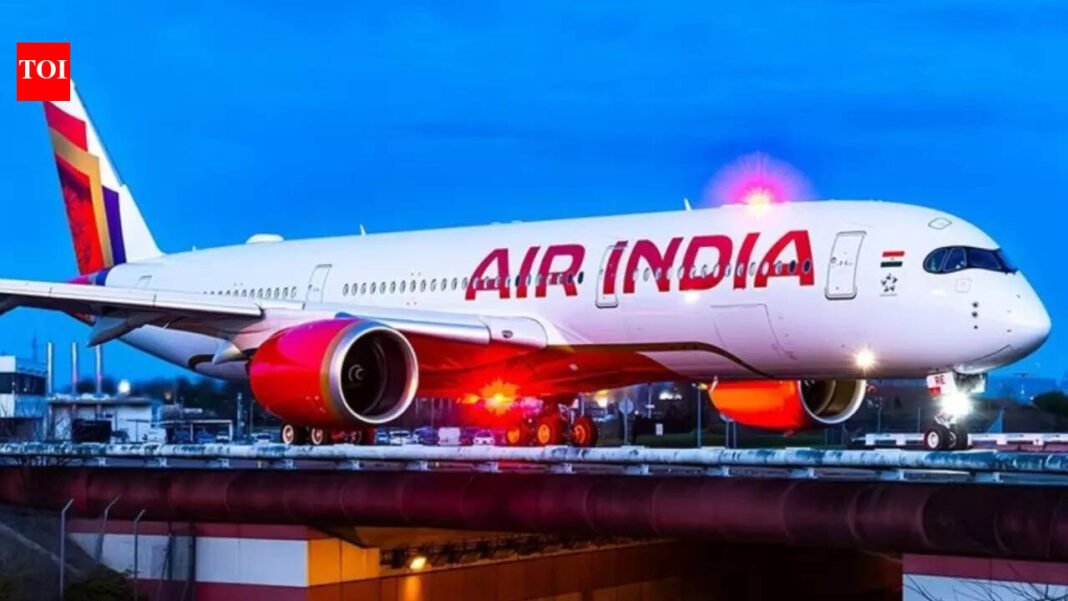
Geopolitical tensions in the Middle East have escalated rapidly and have now spread to the global aviation industry, forcing major airlines to urgently adjust flight schedules. national airline india air india The airline has diverted several flights to the United Arab Emirates from Dubai International Airport to Sharjah and Abu Dhabi as security concerns and operational disruptions continue to affect the region.The airline also suspended scheduled flights to Dubai, reflecting the deepening impact of the ongoing Iran-related conflict on one of the world’s busiest air corridors.
Dubai air services suspended due to war between Iran and US-Israel
Air India confirmed that its flights to Dubai have been temporarily suspended as authorities assess the security situation and airspace restrictions in the Gulf. Meanwhile, flights to other UAE airports such as Abu Dhabi, Sharjah and Ras Al Khaimah continue, helping to maintain at least partial connectivity between India and the UAE during the crisis.The move comes as airlines around the world scramble to adapt to rapidly changing conditions in Middle Eastern airspace. Wider regional conflicts have forced airlines to reroute flights, suspend services or operate through limited air corridors to avoid dangerous areas.
Gulf aviation industry caught in widening geopolitical fallout amid Iran-U.S.-Israel war
The aviation disruption follows a series of security incidents that have heightened concerns about the Gulf’s main transport hub. A drone strike near Dubai’s main airport temporarily halted operations in recent days and forced several flights to be rerouted to other airports while authorities took control of security in the area.

Passenger Alert: Air India suspends Dubai flights, diverts flights to Sharjah and Abu Dhabi as Iran-US-Israel war escalates
These developments have increased uncertainty about air travel in the region. Since the Middle East is a key crossroads for international aviation, any instability can quickly ripple through global travel networks. Airlines operating between Asia, Europe and North America often rely on Gulf hubs such as Dubai and Abu Dhabi for connecting flights, meaning disruptions could span multiple continents.
Emirati passengers face flight cancellations and uncertainty amid Iran-U.S.-Israel war
The sudden change caused confusion and delays for thousands of passengers traveling between India and the UAE. Some travelers had their flights canceled or rescheduled, while others were rerouted through other airports. Airlines are urging passengers to check flight status before heading to the airport and prepare for schedule changes.Air India and its low-cost subsidiary Air India Express have also started operating limited temporary or special flights to help maintain connectivity as much as possible. These additional services are subject to airport slot availability and the evolving security situation across the region. Other Indian airlines including IndiGo and SpiceJet have warned that their flight schedules may also change as authorities impose temporary restrictions on flight operations.The disruptions highlight how vulnerable the global aviation industry is to geopolitical crises. The Middle East is at the center of international routes connecting Europe, Asia and Africa, making its airports key nodes in the global travel network. Since tensions escalated earlier this year, several countries in the region have imposed airspace restrictions or temporary closures, forcing airlines to reroute flights and reduce services.In some cases, aircraft are forced to take longer routes around restricted airspace, increasing flight time and fuel costs. Travel experts say such disruptions could quickly evolve into wider logistics challenges, affecting freight, tourist flows and business travel across continents.
Efforts to restore connectivity amid Iran-U.S.-Israel war
Despite the disruption, aviation authorities and airlines are working hard to resume operations as safely and quickly as possible. Some flights are gradually resuming through strictly monitored corridors, while alternative airports are being used to maintain regional connectivity. Meanwhile, special rescue flights are being organized to help stranded passengers.
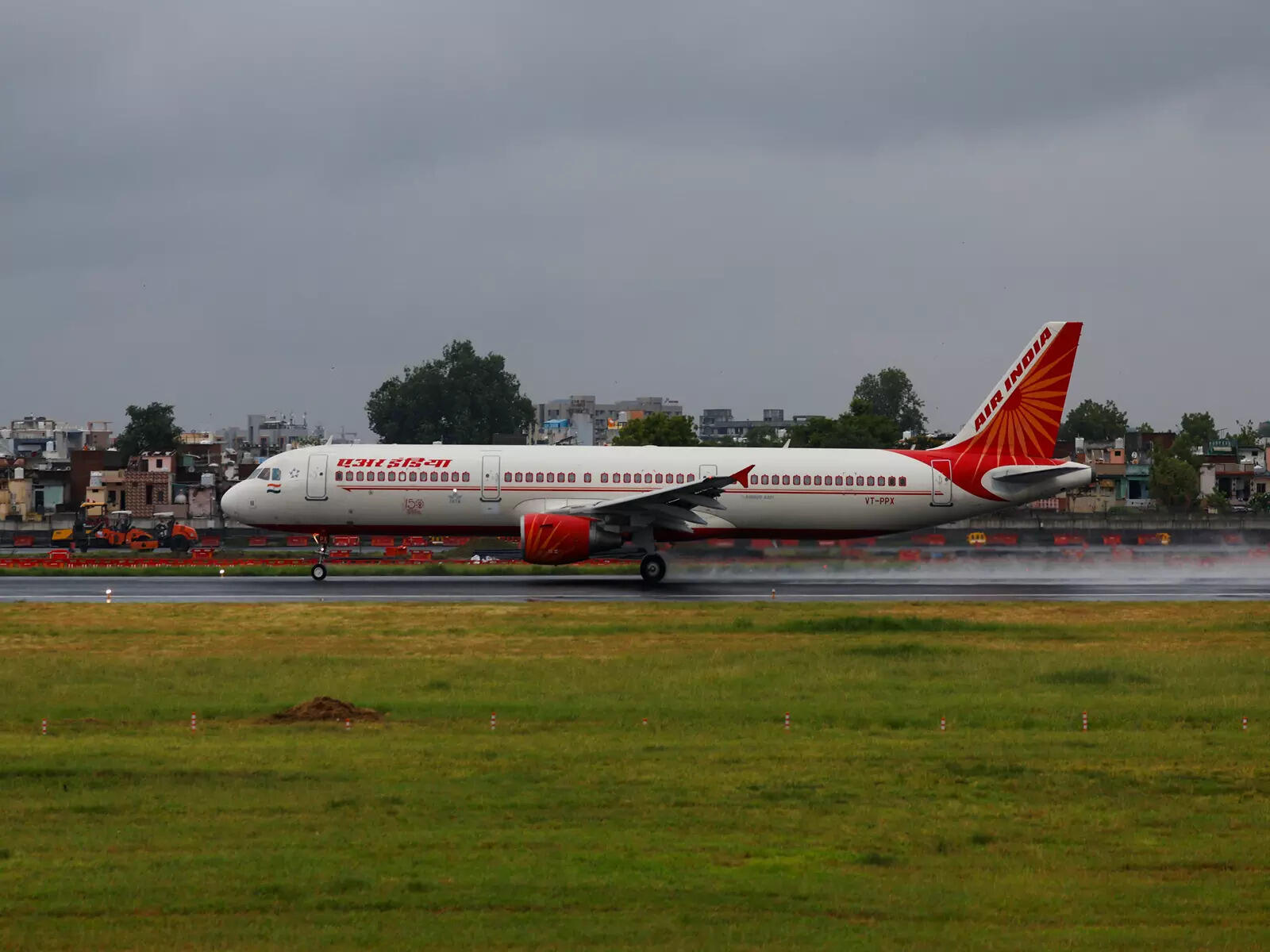
Dubai travel takes another hit: Air India suspends flights over Iran, US-Israel war, diverts to Sharjah and Abu Dhabi
For example, budget airline SpiceJet has launched special services from Fujairah to help passengers return to India during the crisis. The recent grounding of flights highlights the profound impact geopolitical tensions can have on global travel. Even limited disruption in a key hub like Dubai can ripple across the entire aviation network, affecting passengers, airlines and businesses around the world.Currently, as the situation continues to evolve, travelers between India and the UAE are advised to stay informed of the latest developments through airline notifications and official aviation authorities. Flight schedules across the Gulf are likely to remain unstable in the coming days as the security situation remains uncertain. The coming weeks will determine how quickly normal air operations can resume in one of the world’s most strategic travel corridors, as airlines adapt to the changing geopolitical landscape.