

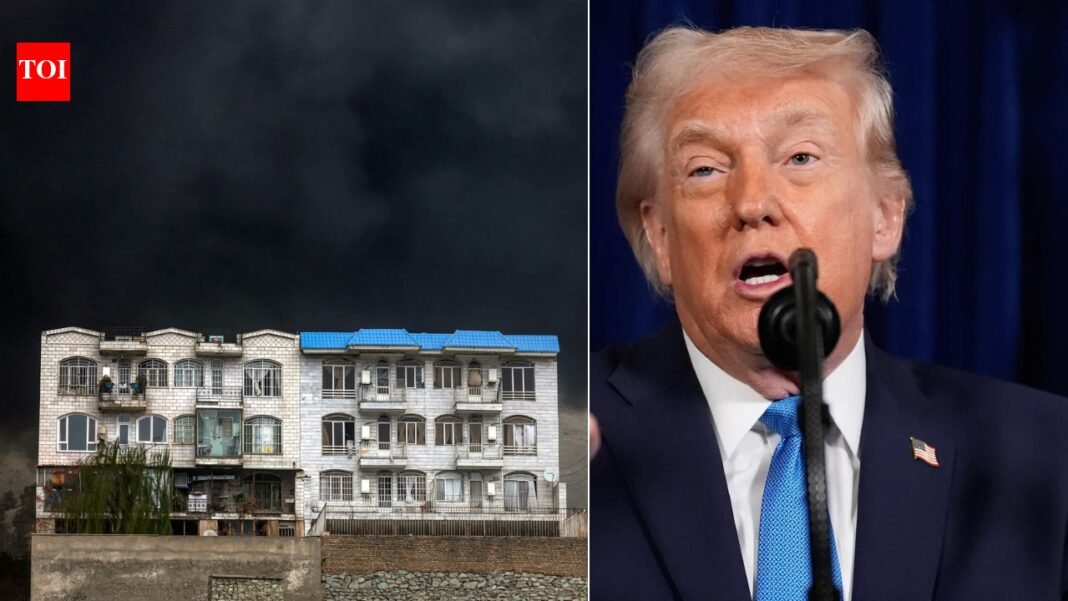
At the beginning of the war, Iran’s air defense systems, missile launch facilities and military installations came under widespread attack. Iranian authorities reported severe damage to multiple cities and the attack also resulted in the killing of the country’s Supreme Leader Ayatollah Ali Khamenei. Following his death, Iran appointed his son, Mojtaba Khamenei, as its new supreme leader, signaling that Tehran would continue to respond aggressively to attacks.
Iran retaliated by launching multiple waves of ballistic missiles and drones at Israeli cities and U.S. military installations in the area. Several Gulf states that host U.S. bases soon found themselves embroiled in the conflict as missiles and drones flew over their airspace or targeted infrastructure within their territories. Countries including the United Arab Emirates, Saudi Arabia, Bahrain and Kuwait have reported intercepting incoming drone and missile threats.
The conflict also expanded beyond the Gulf when the Lebanese militant group Hezbollah opened another front by firing rockets into northern Israel. Israeli forces responded with air strikes on Hezbollah positions in Lebanon, adding another theater of war to an already complex war.
A major strategic flashpoint in the crisis is the Strait of Hormuz, a narrow waterway through which a large portion of the world’s oil supplies pass. The conflict has disrupted corridor transport, triggered wild swings in global energy markets and raised concerns about broader economic impacts.
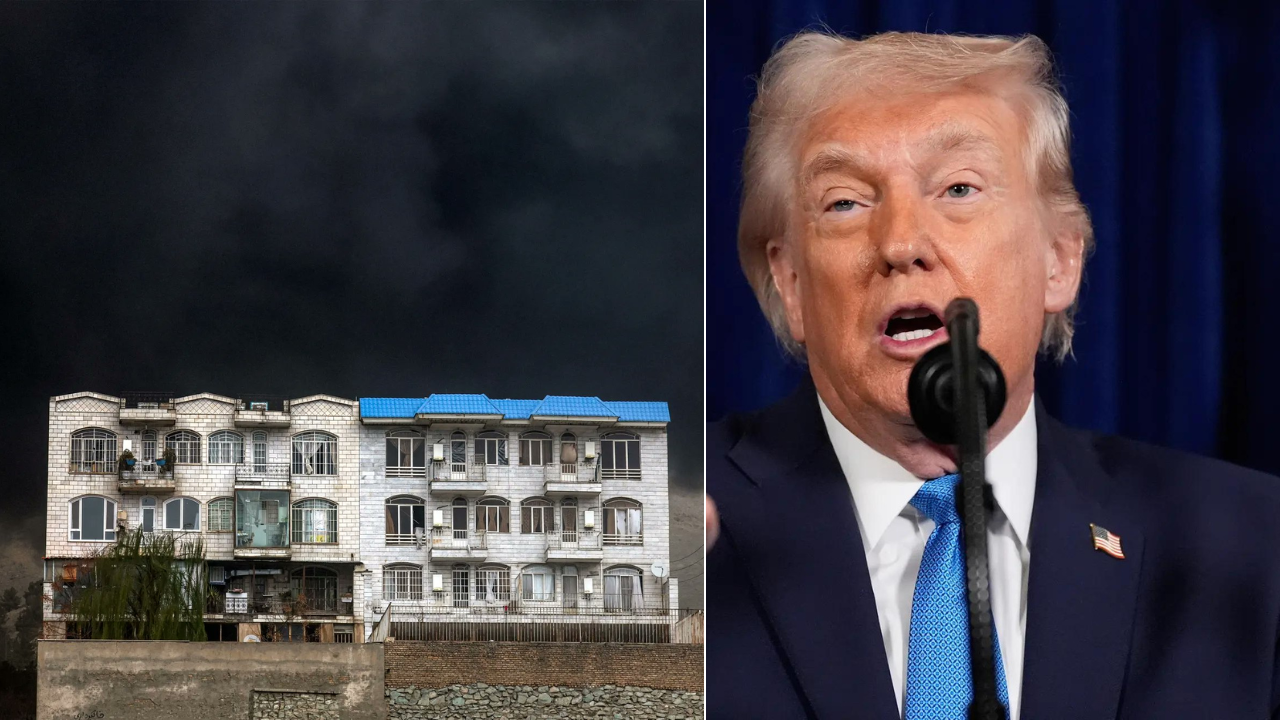
Amid ongoing hostilities, US President Donald Trump said Washington was in discussions with Tehran but believed Iran was not ready to reach a deal. He also claimed that U.S. and Israeli actions have severely weakened Iran’s military capabilities, including its missile inventory and drone production capabilities.
Meanwhile, Iranian Foreign Minister Seyyed Abbas Araghchi said nuclear material at Iranian facilities was currently buried under rubble following the attack, adding that any potential recovery could only be done under the supervision of the International Atomic Energy Agency.
As the missile exchange continues, regional countries are increasingly affected, and global markets react to instability, the conflict has raised serious concerns about a protracted war and its impact on international security and energy supplies.