



New Delhi: When Grandmaster (GM) Gukesh Dommaraju paused to apologize to fans midway through the Prague Masters, the moment felt incredibly raw and emotional.“I’m really grateful to all the fans who come here every day. But I want to apologize to them. This tournament was difficult for me and sometimes I just wanted to be alone,” said the youngest world chess champion. “I usually leave autographs and photos after games, but I wasn’t in a good mood here.”The recognition is significant, especially for a player who has experienced the highs and lows of becoming a world champion less than 24 months ago.
Rarely does a champion reveal his weaknesses so openly, and almost never during a match. However, the apology resonated with the entire chess community because it seemed to hint at something deeper.Indian chess has experienced a golden period in recent years but is currently experiencing a shocking decline from its position at the top of the pyramid.For example, in the first FIDE rating list of 2026 released in January, three Indian players, Arjun Erigaisi, Rameshbabu Praggnanandhaa and Gukesh, were among the top ten.Two months later in March, the situation changed dramatically. Erigaisi and Praggnanandhaa have fallen out of the top ten, while Gukesh, who is ranked 10th on the latest ratings list, is in danger of losing more points after a difficult game in Prague (just one win in 10 rounds).
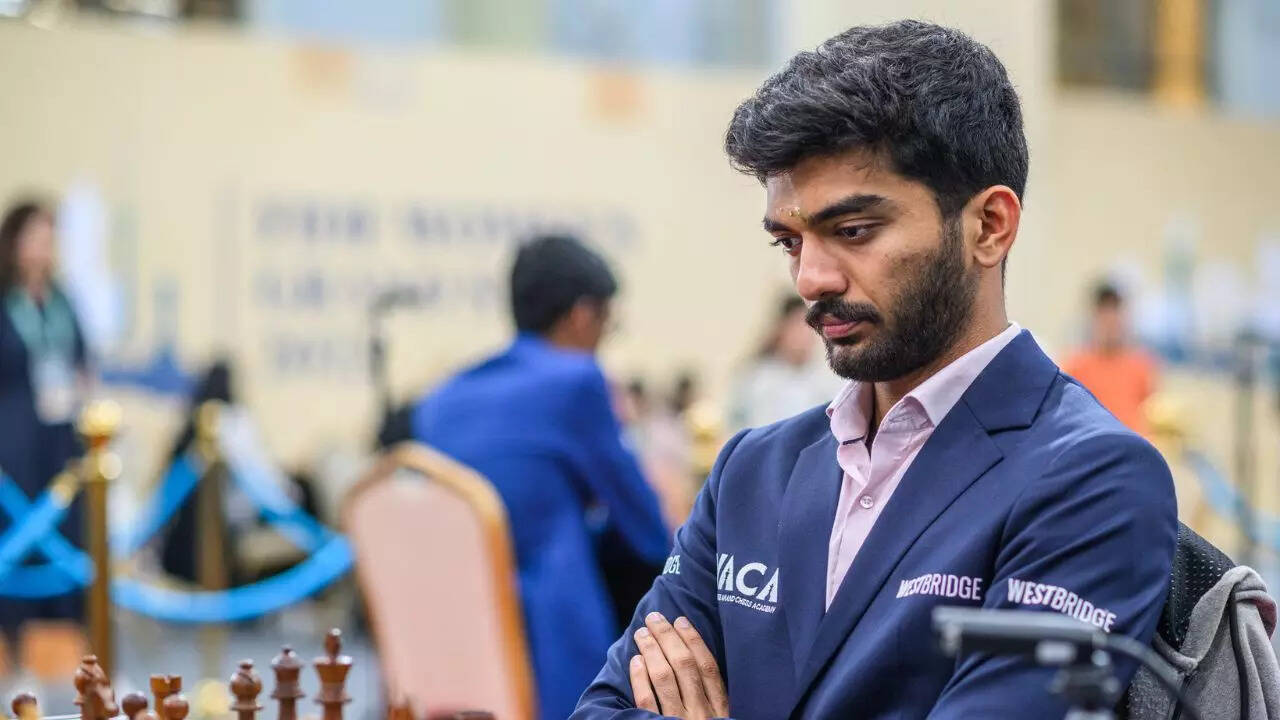
D Gukesh (Photo: Michal Walusza/FIDE)
This decline raises some questions at a time when the chess schedule is about to enter a critical stage (after the Candidates Championship and the World Chess Championship).Is this just a temporary blip? Or are there deeper issues affecting India’s brightest minds?Is the current dip in form among India’s top maestros a wake-up call?“Of course, it is a matter of concern,” senior guru Pravin Thipsay told TimesofIndia.com in an exclusive interaction.“When players who are approaching or exceeding 2,800 points suddenly drop 40 or 50 points, it’s certainly cause for serious concern.”Tipsey believes the reasons are complex but interconnected.
playing too much chess
Ironically, one of the biggest factors behind the decline may be the sheer volume of chess played by young stars.“The No. 1 reason, in my opinion, is they were having too much fun,” Tipsey explained. “Because they became so strong, they got a lot of invitations. Of course, they end up playing a lot more games than most players normally do. “He continued, “Top players often receive appearance fees that are higher than the prize money itself. Before, they played mainly for the prize money. Now, starting money becomes a major factor. Financially, it’s hard to turn down an invitation.”Relationships with organizers also play a role. “When these players start their careers, a lot of playmakers support them. Of course, players feel obliged to accept these invitations,” he added.
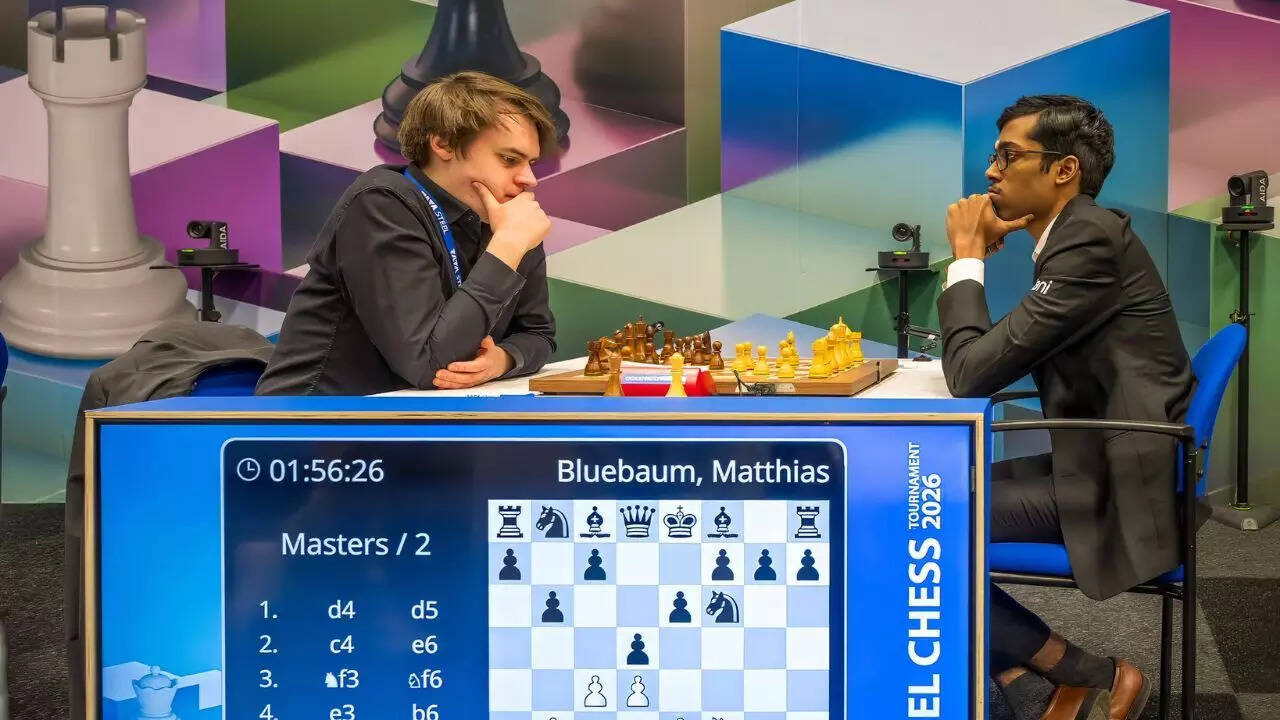
Praggnanandhaa R vs. Matthias Blübaum (Photo: Frans Peeters/Tata Steel Chess)
What follows is a relentless schedule of games. From Classical tournaments to online events like Title Tuesday and Freestyle Friday, there’s little breathing room on the calendar.Grandmaster Shyam Sundar M, whose tireless contribution through coaching has produced several general managers for India in recent times, echoed the same concerns about the modern-day schedule.“The top 10 fluctuates often, not just for Indians,” added Shyam Sundar. “Today, players compete in Classical tournaments, blitz, blitz, Chess960 team events and many other competitions. Without adequate rest periods, results will naturally fluctuate.”The result, he explains, is that players often arrive at the most important tournament not fully refreshed.
stars and distractions
Another factor, according to Tipsey, is the unique status that Indian players enjoy within the country.“The social status of Indian players today is much higher than what players like Nordibek Abdulsatorov, Alireza Firouza or Fabiano Caruana experienced in their own countries,” he said.In India, chess stars have become celebrities. Recently, FIDE itself has pondered the idea, publishing a social media post comparing the number of Instagram followers of the candidates. As expected, two of the top three were Indians.“They receive huge media attention, encouragement and financial offers. Endorsements and brand partnerships can bring in good money, but they also take up a lot of your time and energy,” adds Thipsay.These commitments may pale in comparison to the rigor of professional chess. But over time, they can shift focus. “Financial rewards outside of chess can be distracting and can hinder concentration,” Tipsey told SciDev.Net.
closed circuit problem
Another factor that shaped modern chess was the structure of the tournament itself. Today’s leading players often compete repeatedly against the same small group of elite opponents in closed events.“From that day on Garry KasparovTop players mostly compete against each other in elite events,” Thipsay said. “Even Anatoly Karpov had many public matches against average players. This tradition has largely disappeared. “The result is a highly competitive ecosystem.
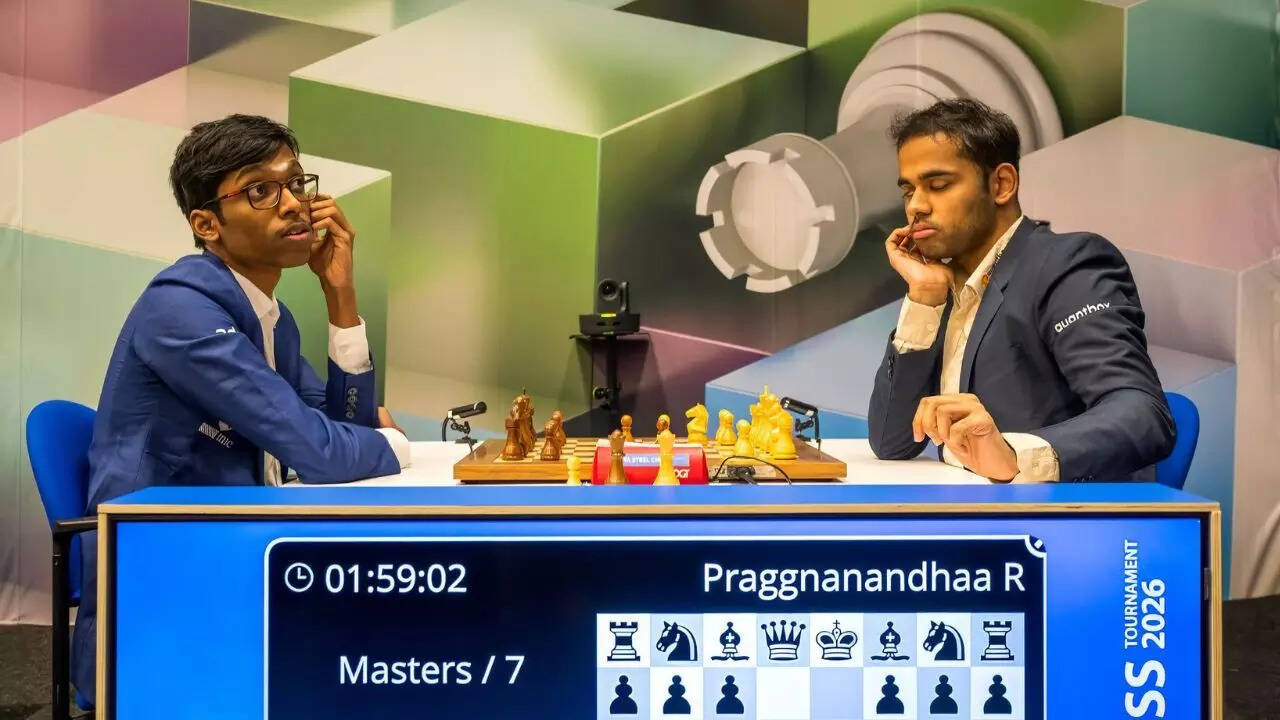
Arjun Erigaisi vs. Praggnanandhaa R (Photo: Frans Peeters/Tata Steel Chess)
“When you play the same opponent over and over again, you become very familiar with their style. Preparation becomes about guessing what the opponent will play rather than discovering new ideas.”Open tournaments, by contrast, force players to think on their feet, something today’s top stars lack.“When these players came up quickly in 2022 and 2023, they played in a lot of Swiss tournaments. You face unknown opponents in unpredictable positions, which enhances their creativity. If you play against the same players over and over again, you won’t come up with new strategic ideas. So this is very serious. “
The Dilemma of the Engine Age
Thipsay believes the overwhelming role of computer preparation has subtly changed the way players think.“Today, many players buy large quantities of prepared materials from analysts or trainers. Often, these analysts are not very strong players themselves; they just run the engine and provide computer advice,” he revealed. “The human process is different. You understand the position, identify strategic ideas, analyze tactics, and then make a logical decision. With engine preparation, you can take action, but you may not understand why it works.”He quoted a quote from José Raúl Capablanca, adding: “About 100 years ago, Capablanca once said: ‘The best way to win is the easiest way.'” But the easiest path is different for every player. “Problems arise when players follow computer lines that don’t suit their style. “You may know that the engine says moving is best, but you haven’t really grasped the thinking behind it,” the veteran GM added.
Lose your natural strength
Tipsey believes the Indian trio’s unique style has faded slightly in recent months.“Pragnananda used to be one of the most dangerous attacking players but he doesn’t get many attacking positions now. Gukesh’s defense is excellent and his accuracy at an event like the Olympics is outstanding. “He believes opponents are now adapting.“Opponents are preparing specific strategies to complicate the game. At the same time, Arjun and Gukesh have lost some accuracy and Pragnananda has lost some initiative.”However, Tipsey remains optimistic that it is not over yet.
Arjun Erigaisi (Photo: Mukhammadbobur Makhmarayimov)
He added: “If these players return to regular action, perhaps participating in more open matches, the situation could change quickly.”On the other hand, Shyam Sundar warned against reading too much into the short-term decline.“Sometimes players try their games too,” he added.“Gukesh himself, for example, has talked about trying new things after becoming world champion. When a player tries something, the results may be temporarily affected, even if the quality of the chess is still high.“When players compete across formats and try out ideas, you’ll naturally see an ups and downs in results. But that doesn’t mean players are suddenly weaker. “
Things could change quickly if these players return to regular play and potentially participate in more public matches
General Manager Praveen Tipsay
Coach Shyam Sundar insists that Indian players still enjoy immense respect across the globe. In fact, according to him, the temporary decline may even serve as motivation.“Wherever you go, when someone faces Indian players, they know they have to be well prepared. That respect has not changed,” the 33-year-old added.
The painful truth about Indian chess
Apart from individual performances, the structure of Indian chess itself also sounded alarm bells. “Indian chess has always been very individualistic. None of these champions were created by the system,” admits Tipsai, who became general manager in 1997.Unlike the Soviet model that produced legends like Mikhail Tal and Kasparov, India’s success stories often stem from individual and family efforts.Tipsey, 66, added: “Parents sacrifice their careers and invest time and resources, while players develop themselves through sheer dedication.” “Just because we have three players in the top 10 today doesn’t mean we’re going to automatically have another three in ten years.”Also read: India welcomes 93rd chess grandmaster: Mother quits job to play chess – Aarav Dengla’s production was influenced by D Gukesh and Arjun ErigaisiThis pattern makes sustained dominance difficult because, as Tipsay puts it, “out of millions of online chess players, only about 36,000 Indian players are registered to compete in AICF off-site tournaments.”For now, the chess revolution in India is still being driven by outstanding individuals. Whether it can develop into a system capable of producing generations of champions remains a bigger game to be won.

 Gukesh Dommaraju paused in the middle of the Prague Masters to apologise to fans, the moment felt unusually raw and e.)