

Who won the US-Iraq war? This is the question currently fronting the internet, television debates and social media around the world.Six days ago, the United States and Israel launched coordinated strikes against Iran, attacking military bases, missile sites and critical infrastructure across the country. Iran used its remaining arsenal to strike back against Israel, the world’s leading superpower and the most battle-hardened in the Middle East.Both sides have used missiles, drones and precision-guided bombs. However, one particular weapon has attracted global attention: Iran’s Shahd series of drones, which cost a fraction of the cost of interceptor missiles.These relatively simple drones cost an estimated $20,000 to $50,000 each, forcing the United States and its regional partners to respond with Patriot air defense missiles, which cost about $4 million per interceptor. The resulting cost imbalance turns the conflict into a war of attrition, the outcome of which may depend less on technology and more on which side runs out of weapons first.
Cheap drones, expensive defense
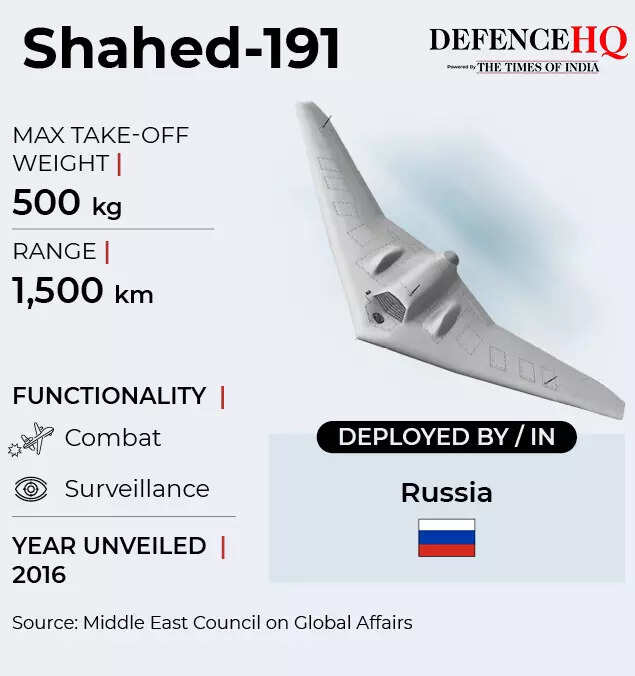
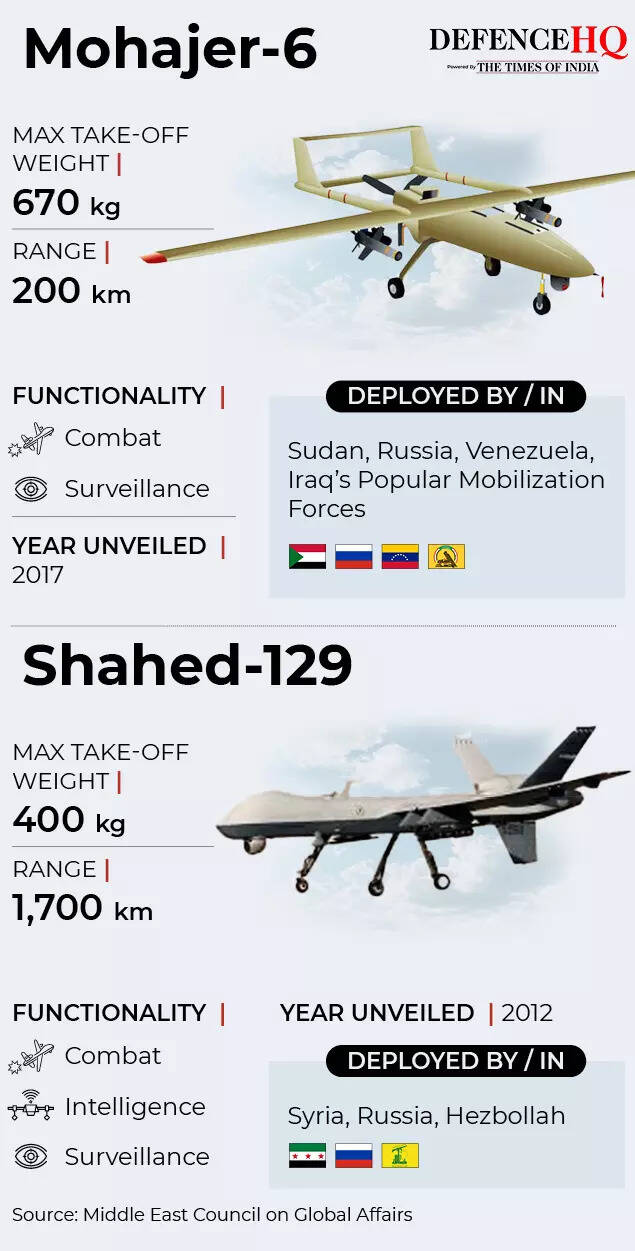
Just three days into the conflict, analysts began describing the war as a war of attrition, with both sides using vast amounts of ammunition.The wave of Iranian drone strikes has targeted U.S. bases, oil infrastructure and civilian buildings across West Asia, including in Bahrain, Kuwait, Qatar, Jordan and the United Arab Emirates, according to defense data compiled by regional governments and analysts.Many of these attacks involved Shahed-136 unidirectional attack drones, which are loitering munitions designed to attack targets and explode on impact.
The United States and its allies rely heavily on the Patriot air defense system to intercept these threats. According to the UAE Ministry of Defense, the interception rate has exceeded 90%, proving the effectiveness of the American-made system.However, the cost per interception has become a growing concern for military planners.Destroying a drone worth about $20,000 with a missile worth about $4 million would create a serious economic imbalance. Even if most drones are intercepted, defenders will have to expend more resources to do so.
.
The problem has already arisen in the Russia-Ukraine war, where large numbers of cheap drones forced defenders to use expensive anti-aircraft interceptors.Military analysts say Iran appears to be employing similar tactics in the current conflict.
.
Iran’s strategy of attrition
Security experts say Iran’s approach relies on overwhelming air defenses with legions of cheap drones, forcing defenders to expend precious interceptor missiles.Kelly Grieco, a senior fellow at the Stimson Center, said such a strategy could make operational sense from Tehran’s perspective.
.
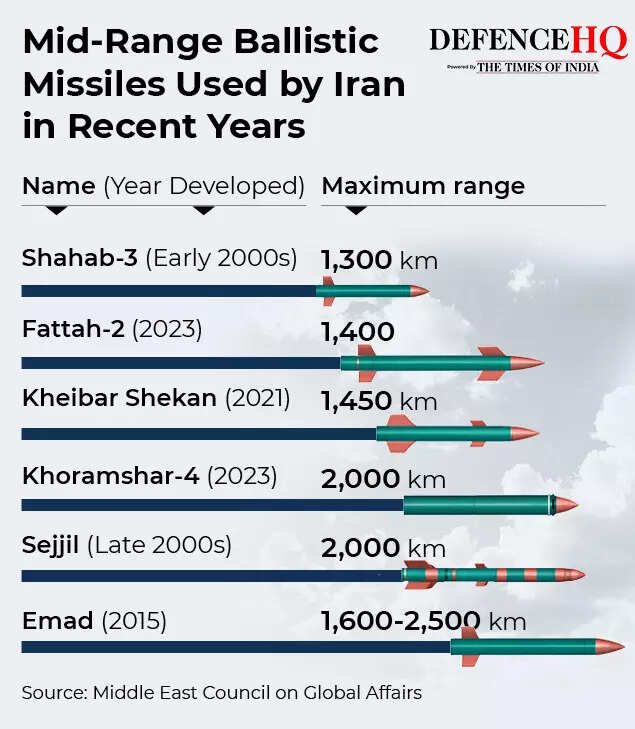
“From an Iranian perspective, the attrition strategy makes operational sense,” Grieco told Bloomberg. “They believe that the defenders will exhaust their interceptors and that political will in the Gulf states will collapse and put pressure on the United States and Israel to cease operations before they run out of missiles and drones.”Analysts say Iran still maintains a large number of drones despite parts of its missile infrastructure being damaged in earlier conflicts.Becca Wasser, head of defense at Bloomberg Economics, said Iran is estimated to have about 2,000 ballistic missiles after last year’s confrontation with Israel.However, the number of Shahd drones in Iran’s arsenal is believed to be much higher. Russia, which also produces similar drones, has demonstrated the ability to produce hundreds of drones per day, according to an open-source defense assessment cited by Wasser.Tehran is estimated to have fired more than 1,200 projectiles since the current conflict began, many of them Shahd drones.Analysts said this could be a sign that Iran is reserving ballistic missiles for later in a conflict while relying on cheaper drones to maintain pressure on U.S. and allied defenses.
Shahed drone: simple but effective
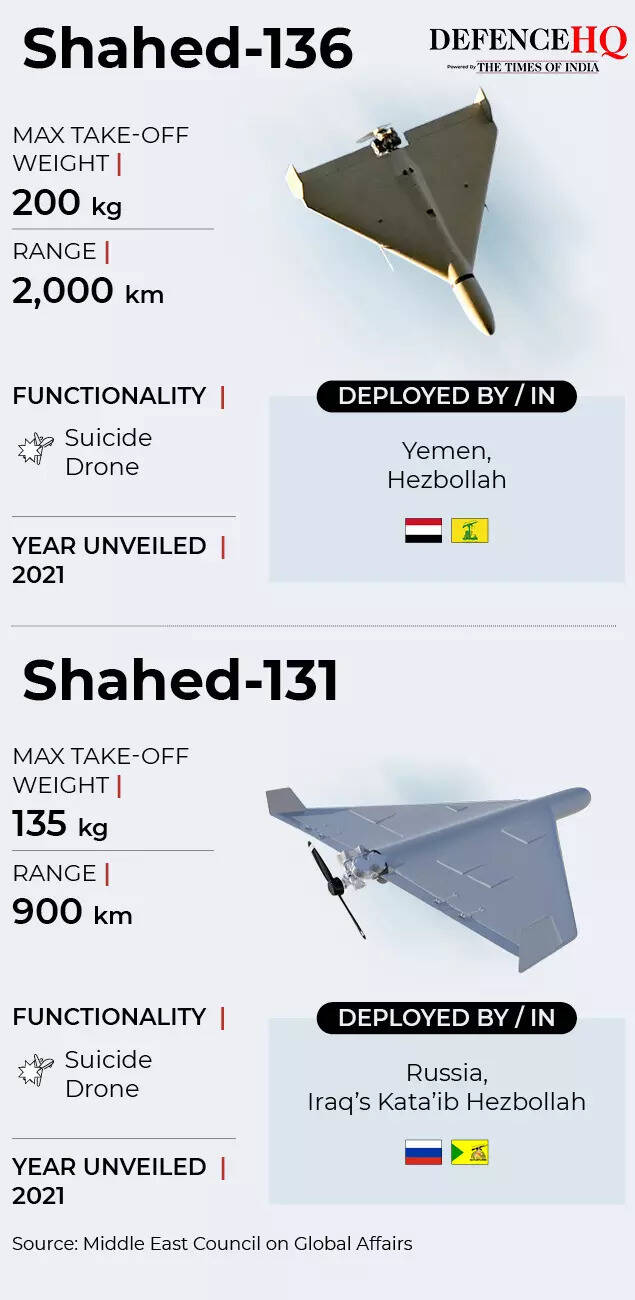
The Shahed-131 and Shahed-136 drones are among the most widely used loitering munitions developed by Iran.The name “Shahed” means “witness” in Persian, and the drones were originally developed by Iranian aerospace company Shahed Aviation Industries.Open source defense assessments show the drones are about 2.5 to 3 meters long and weigh about 200 kilograms when launched.They have a delta-wing design and are powered by a small propeller-driven engine. The engine sacrifices speed but allows the drone to fly long distances while consuming relatively little fuel.The Shahed-136 variant is believed to have a range of 2,000 to 2,500 kilometers, allowing it to reach targets across much of the Middle East.Once launched using a rocket booster, the drone switches to a piston engine and uses satellite guidance to navigate to pre-programmed coordinates.It carries an explosive warhead weighing 40 to 60 kilograms, but some versions are reported to have payloads of up to 90 kilograms, but at a reduced range.Due to their small size and relatively low radar signature, these drones are difficult to detect before flying.Their engines produce a distinctive humming sound that earned them the nickname “Sky Mopeds” in previous conflicts.
launch swarm
One of the main advantages of Shahed drones is the ability to launch them in large numbers from a simple platform.Unlike advanced fighter jets or ballistic missiles that require complex launch infrastructure, Shahed drones can be launched from trucks, mobile launchers or simple platforms.This makes it difficult for enemy forces to find and destroy the launch site before deploying the drone.The tactic typically involves launching multiple drones simultaneously, forming a swarm designed to overwhelm radar and air defense systems.This strategy remains effective even if most drones are intercepted.From Iran’s perspective, each drone destroyed forces defenders to spend more money on interception.
Air defense stocks under pressure
The United States and its regional allies rely heavily on the Patriot air defense system, which is manufactured by Lockheed Martin and operated in several Middle Eastern countries.The system uses PAC-3 interceptor missiles, which cost millions of dollars each.Although the Pentagon has expanded production in recent years, only about 600 PAC-3 missiles will be produced by 2025, according to data cited by defense industry sources.Given the intensity of current combat operations, analysts believe thousands of interceptor missiles may have been fired since the conflict began.
.
If Iran continues its attacks at its current pace, the region’s stockpile of Patriot interceptors could fall to dangerously low levels within days, a person familiar with the matter told Bloomberg.
.
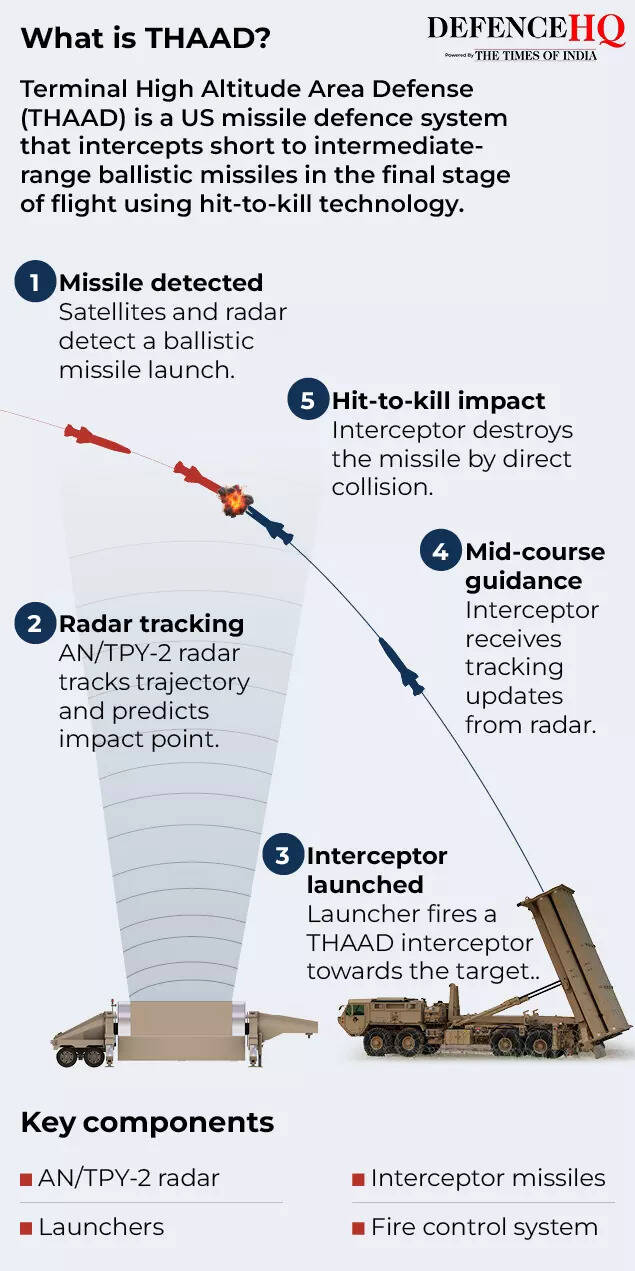
In addition to Patriot, several countries operate the THAAD missile defense system, which is designed to intercept high-altitude, high-speed ballistic missiles.However, each THAAD interceptor costs approximately $12 million, which is even more expensive than the Patriot missile.These systems are typically designed to deal with larger threats, such as ballistic missiles, rather than slower drones.
Other defensive measures
To reduce reliance on expensive interceptors, the United States and its allies use other systems to respond to drone attacks.These include fighter jets equipped with Advanced Precision Kill Weapon System (APKWS) missiles, which cost about $20,000 to $30,000 each, although operating costs for the aircraft add to the bill.
.
However, specialized counter-drone systems such as laser weapons, autonomous artillery and electronic warfare systems remain limited in the region.Israel has developed a laser-based defense system called Iron Beam specifically designed to destroy drones and rockets at a much lower cost.However, the Israeli military said earlier this week that the system has not yet been used in the current conflict.
Iran’s air defense force is weak
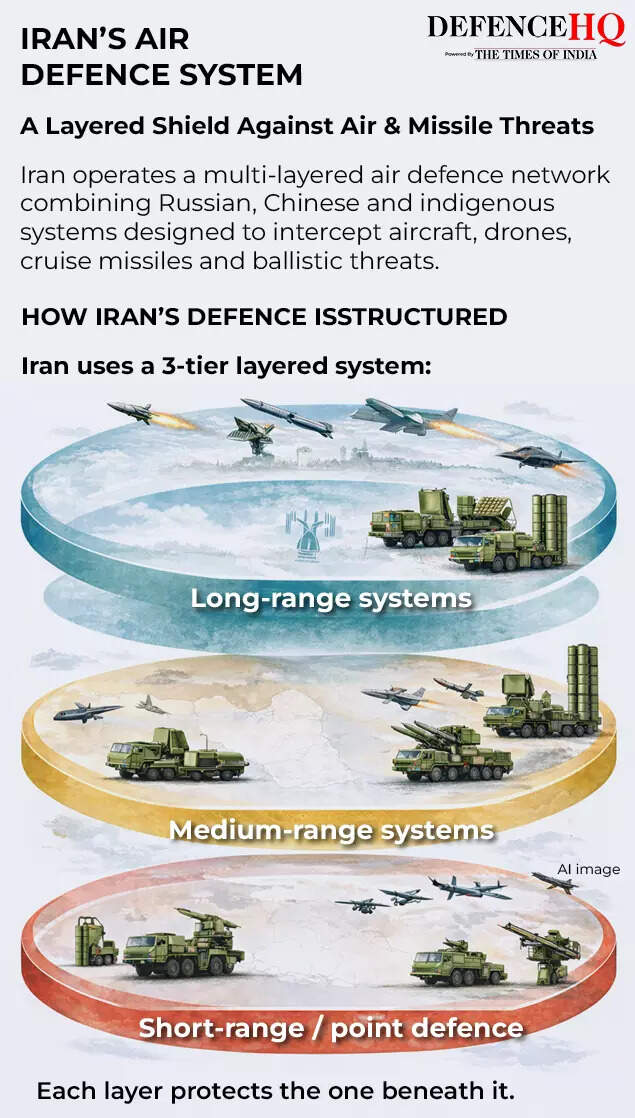
While Iran is able to launch attacks across the region, its own defense capabilities have suffered significant damage.According to defense analysts, surface-to-air missile systems were one of the top targets early in the war.Some of Iran’s most advanced air defense systems are the Russian-made S-300 systems, designed to intercept aircraft and missiles.Many of these facilities were reportedly hit during the initial attacks.As a result, U.S. and Israeli aircraft have been able to fly within Iranian airspace with relatively little resistance since the conflict began.
Military Operations and Command Structure
Iranian Foreign Minister Abbas Araghchi said the country’s military forces maintained a degree of independence during the conflict.“Our military units are now effectively independent and to some extent isolated, and they act according to the general instructions given to them in advance,” Araghchi told Al Jazeera.He added that the government had instructed the armed forces to exercise caution in selecting targets.
concerns about long war
On the U.S. side, analysts say the Pentagon may not be fielding enough munitions to sustain a long-term campaign.Becca Wasser said U.S. strike planners were unlikely to send enough weapons to the region to support the four-week conflict timeline the U.S. president had previously mentioned Donald Trump.U.S. Defense Secretary Pete Hegseth also stated that this battle is not intended to become a long-term war.“This is not Iraq, this is not endless,” Hegseth told a news conference.